

Drying Deserved to Be a Science. So We Built the Place That Proves It.
Inside The Resin Proving Ground — Powered by Novatec: twenty years, hundreds of polymers, and more than a million dollars spent to replace assumptions with measurements.
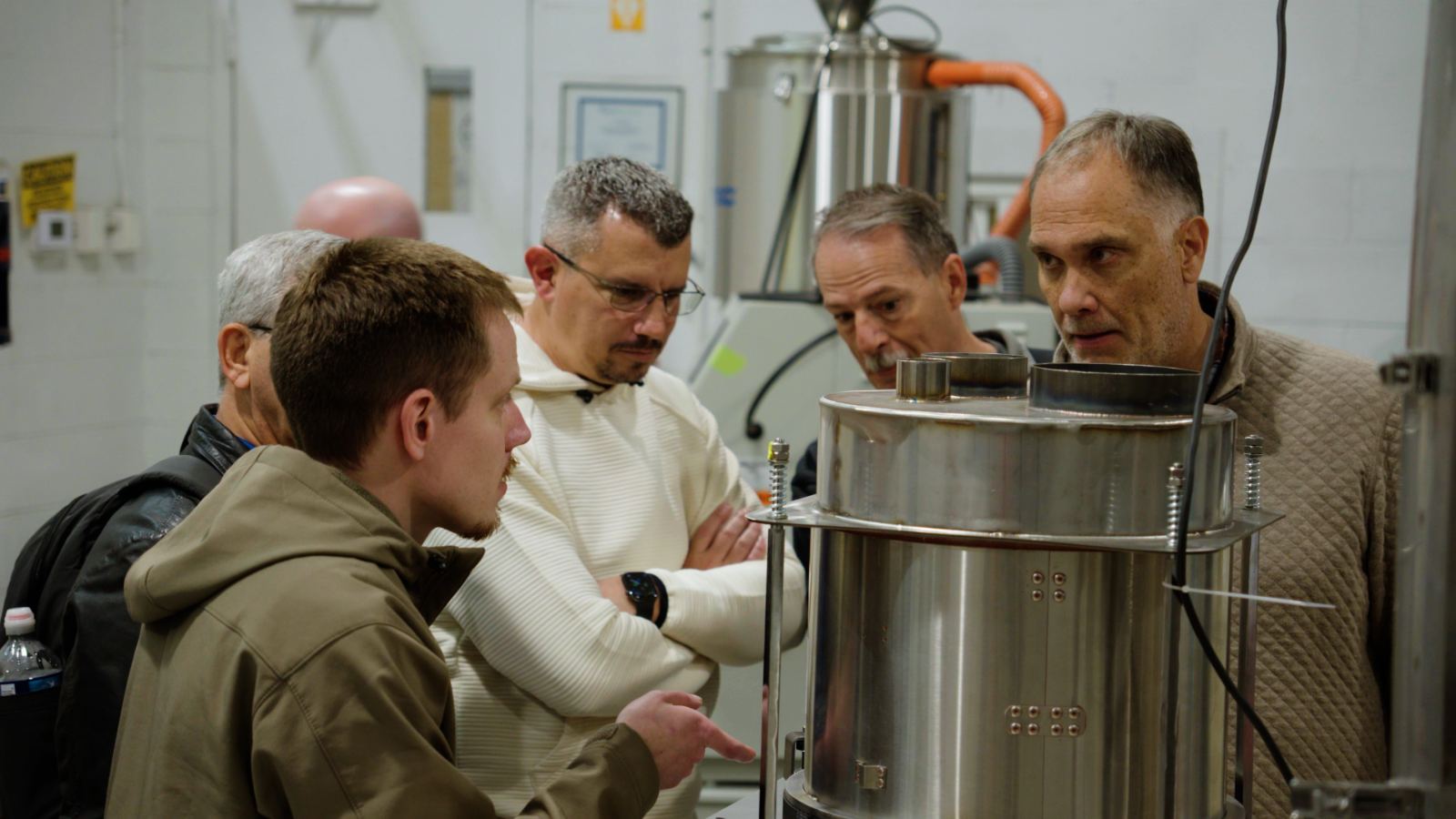
Published by The Resin Proving Ground, powered by Novatec. Novatec wholly owns and funds the lab.
Key takeaways
- Resin drying still runs on a fifty-year-old recipe — hot, desiccated air for a datasheet number of hours — because challenging it requires something almost nobody built: a dedicated laboratory with the instruments and the years to test it.
- The Resin Proving Ground was founded in 2006 on one conviction: drying and conveying are sciences — thermodynamics, diffusion, airflow, bulk density, residence time, hopper geometry — every one measurable, modelable, and provable.
- More than $1 million of purpose-built capability: reference-grade moisture instrumentation, in-house ANSYS computational modeling, and competitive dryers purchased on the open market to baseline what other machines actually deliver.
- Other parties treat it as a reference laboratory — resin producers prove materials here, utilities have used it for rebate programs, and a major moisture instrument was qualified here because its developer had no drying lab of its own.
- Twelve industries — lumber, baking, paper, concrete, textiles, steel, tobacco, dairy, grain, chemicals, coffee, and pharmaceuticals — each made this transition before plastics did, for reasons this article explains. This lab exists to close that gap.
For fifty years, resin drying has run on essentially the same recipe: blow hot, desiccated air through a hopper for a datasheet number of hours, and trust that the material comes out dry. It is a recipe the industry inherited in the 1970s and never fundamentally revisited. A veteran operator judges a resin “dry” by feel. A datasheet promises “four to six hours,” and everyone nods, because that is how it has always been done.
There is nothing dishonest in any of this. It is simply what the industry has had to work with. The premise was never seriously challenged — because challenging it takes something almost no one built: a laboratory dedicated to measuring what actually happens inside a dryer and a conveying line, backed by the instruments and the years to do it right.
Twenty years ago, we started building exactly that. The Resin Proving Ground exists on one conviction: that drying and conveying are not black arts but sciences — governed by thermodynamics, diffusion, airflow, bulk density, residence time, and hopper geometry, every one of which can be measured, modeled, and proven. This article is about how the lab came to be, what is in it, and why it matters that someone finally treated this mature industry’s oldest assumptions as questions worth testing.
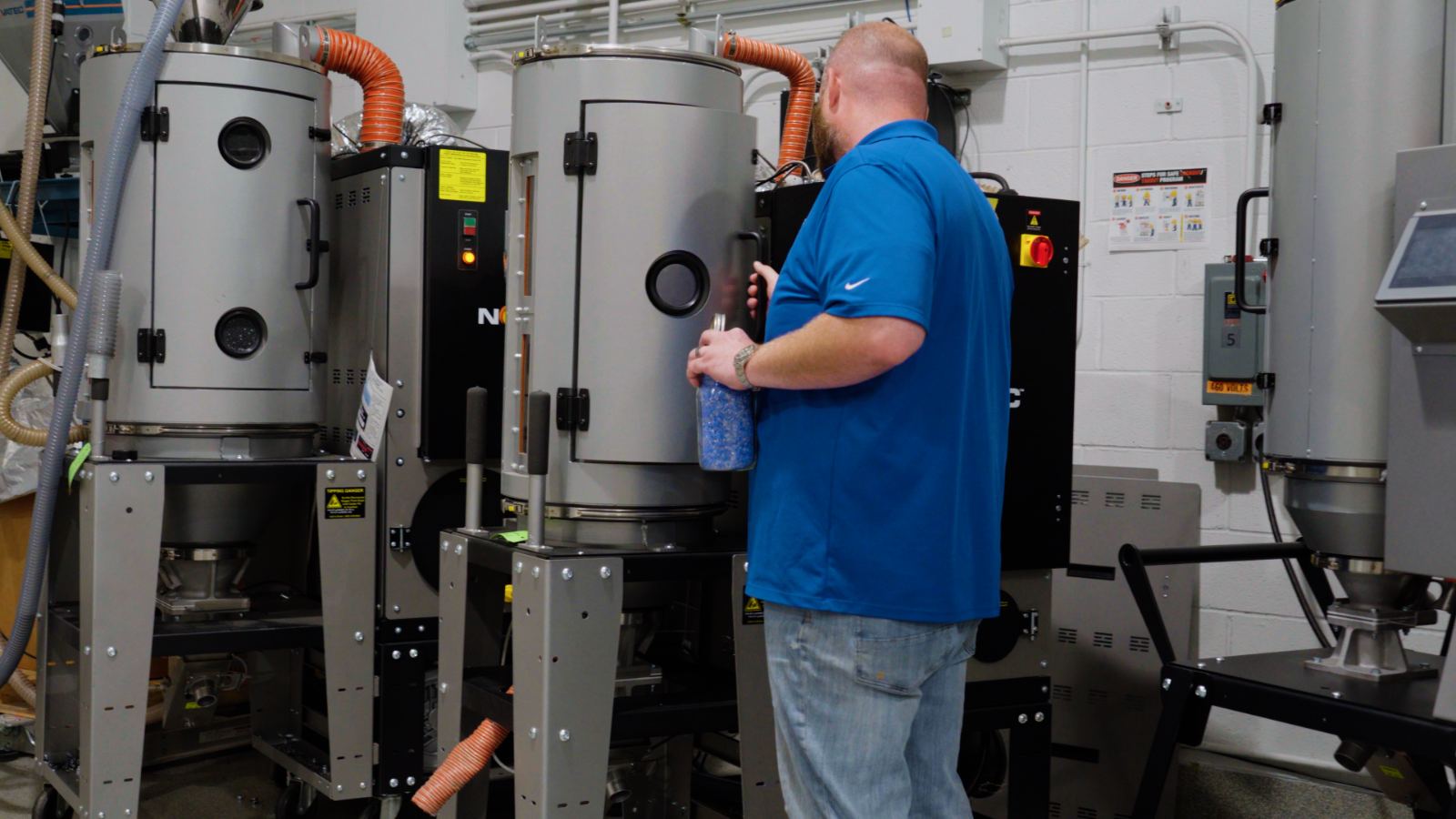
The belief the Proving Ground was founded on
“If you know what goes in, and you understand the physics, you can predict what comes out.”
Every strong claim in this industry should be able to answer one question: how do you know?
The honest answer, most of the time, has been “we assume.” The overwhelming majority of processors never directly measure the moisture of incoming resin, and only a small fraction verify moisture at the end of drying. The material is assumed to be at the right level, and no one goes looking for trouble until parts start failing downstream — by which point the shift is already lost.
But the science of drying is knowable. Moisture in a hygroscopic pellet is chemically bound; heat has to break the bond and then the water must diffuse out from the interior, and because plastics conduct heat poorly, that last fraction of moisture takes disproportionately long to leave (Guidelines for Drying PET, Stoughton). Peer-reviewed work confirms the entire drying process of a resin like nylon 6 is mainly controlled by internal diffusion, following Fick’s Law, with an asymptotic “tail” as diffusivity falls toward zero (Suherman et al., NTNU). The only way to know a resin’s true moisture is to measure the pellet directly — by Karl Fischer titration or loss-on-drying — not to infer it from the dryness of the air (The Madison Group). Airflow, bulk density, temperature uniformity, and residence-time distribution each obey physical laws that can be characterized.
That is the founding idea: if you know what goes in, and you understand the physics, you can predict what comes out — not plus-or-minus fifty percent, but predicted. Proving it, though, would take two decades and serious money.
What it takes: a lab, and the investment behind it
Belief is cheap. The Resin Proving Ground was launched in 2006 as a research arm of the company held to a strict method — published methods, competitive dryers bought on the open market, results reported whether or not they favor Novatec — a place whose job is to develop, pressure-test, and sometimes disprove theories of conveying and drying before they ever reach a customer’s floor, so the customer is never the test bed. In the twenty years since, it has tested hundreds of polymers across the full range of materials a plant is likely to run, for both drying and conveying applications.
None of what the lab can now say would have been possible without its own facility and its own capital. All told, Novatec has invested more than one million dollars in the lab — and each piece of that investment maps to an established, independently documented body of engineering:
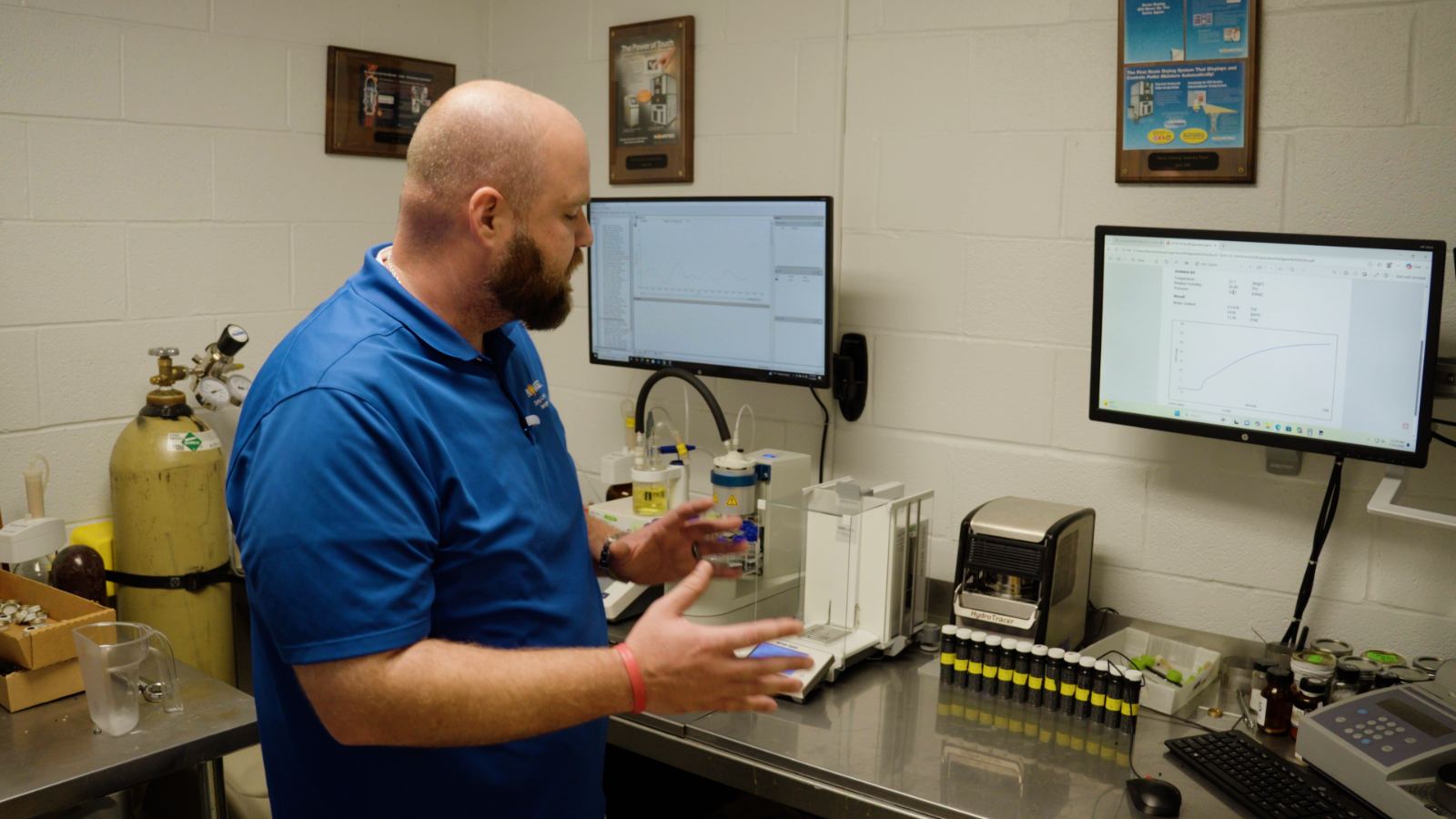
Karl Fischer titration — the industry's reference method for measuring water in the pellet.
$200K+
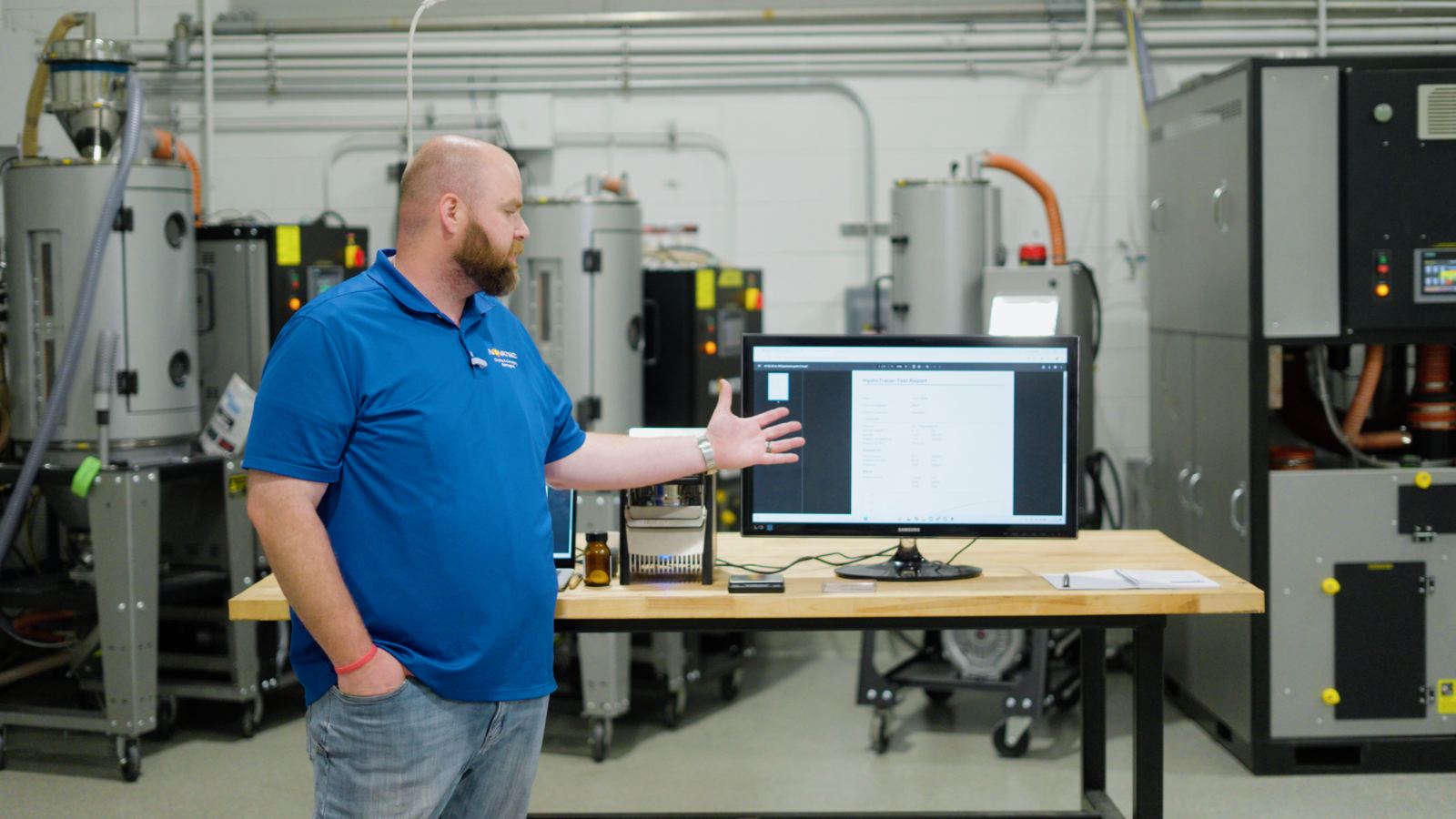
More than $200,000 in moisture-measurement equipment, including automated instruments for rapid and online testing, alongside reference-grade tools most processors have never seen, let alone owned. Karl Fischer titration is the industry’s gold standard, chemically specific to water and accurate to a small fraction of a percent (Metrohm Monograph); owning the reference instruments — and knowing when each one applies — is what lets the lab measure the pellet, not just the air.
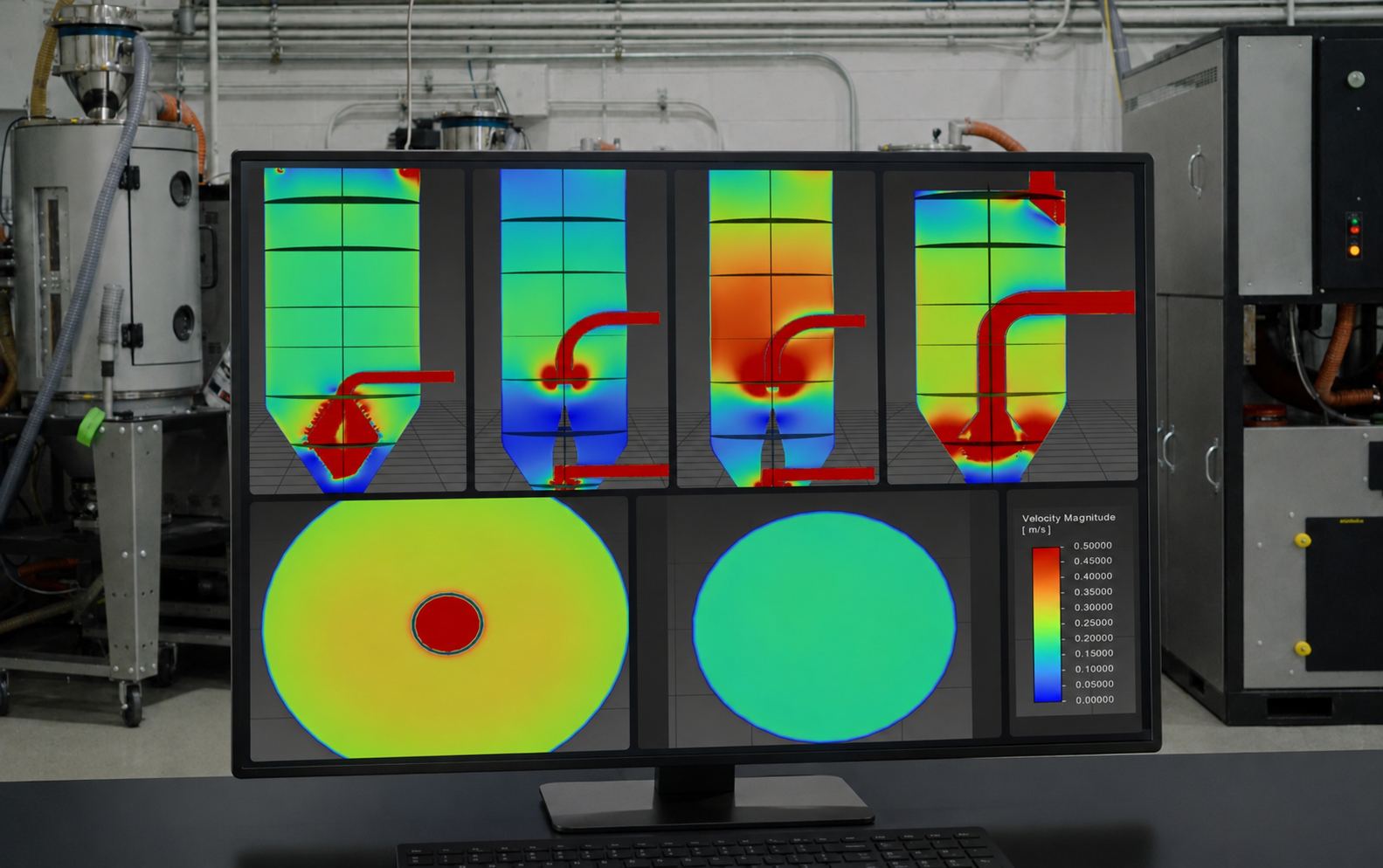
A digital twin of the dryers we build — and the ones we compete against. Airflow, velocity, and temperature, modeled inside the hopper on the lab's own ANSYS system.
$300K+
More than $300,000 in its own ANSYS computational engineering software, brought fully in-house years ago. Where other firms rent this kind of simulation from outside universities, the lab models thermodynamics, airflow, and flow characteristics from first principles. Computational fluid dynamics of this type solves the conservation equations for mass, momentum, and energy to predict the temperature, velocity, and pressure fields inside a drying bed (ScienceDirect) — the same class of tool used to expose dead zones and channeling that no time-based rule can see (University of Manitoba). Running it in-house, aimed at drying and conveying, is a capability no other conveying or drying equipment maker attempts.
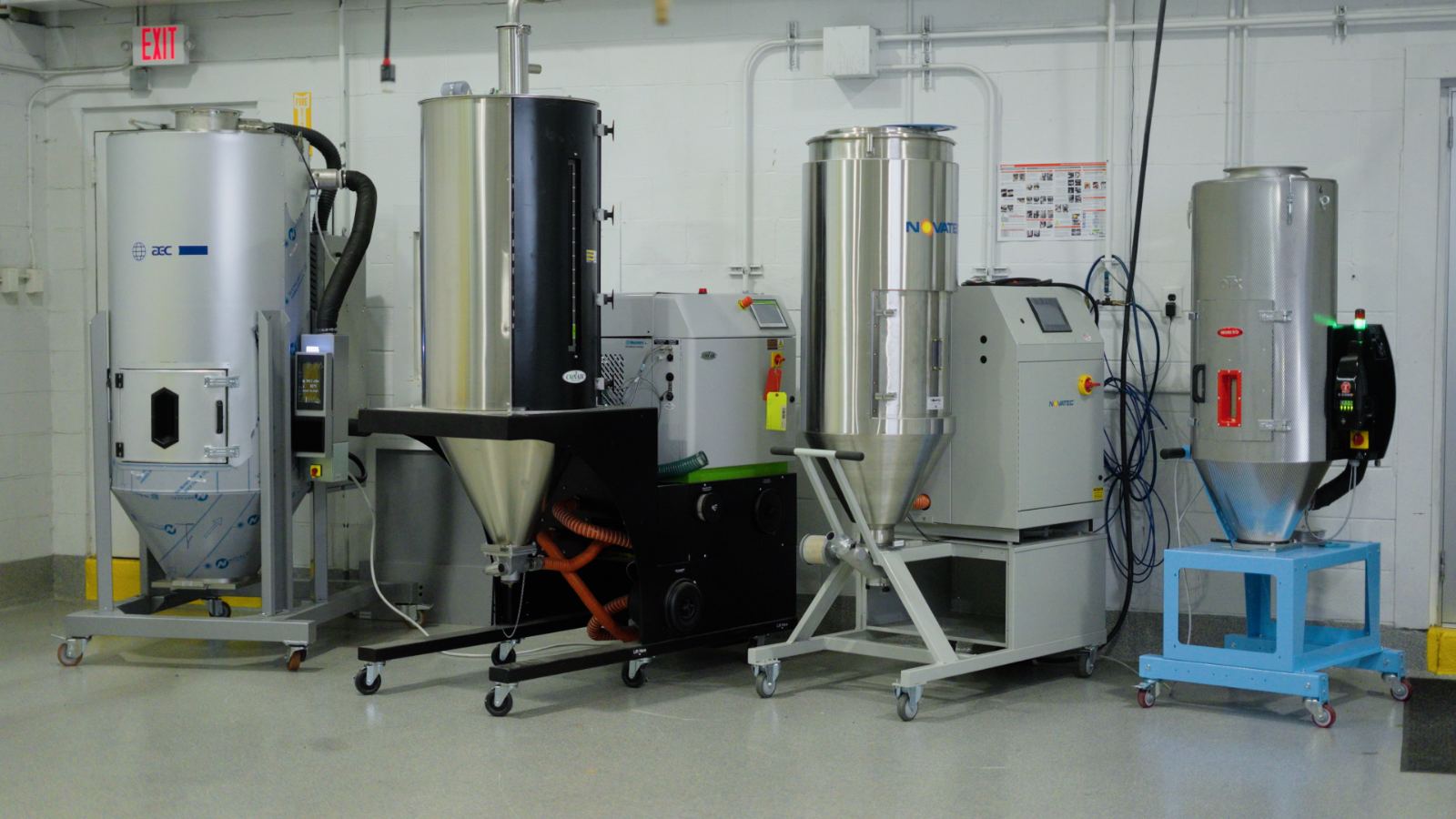
Competitors' dryers, purchased on the open market — instrumented and baselined, not taken on a brochure's word.
6+ dryer types
Over six competitive types of desiccant dryers, representing a further six-figure investment, purchased on the open market specifically to document and baseline what other machines actually deliver — their real performance and their hopper geometry — rather than what a brochure claims. This matters because two dryers with identical datasheets can dry differently: hopper flow pattern (mass flow versus funnel flow) governs residence-time distribution, a foundational bulk-solids variable (Jenike & Johanson) that never appears on a spec sheet and can only be established by testing.
Add full-time lab staff, two decades of sealed customer samples, and the accumulated data of hundreds of polymers, and the total is not a marketing budget. It is the physical infrastructure required to actually make drying and conveying a measured discipline.
A proving ground others rely on
The clearest sign of what the lab is comes from who uses it.
Over the years, the Resin Proving Ground has served as exactly that — the proving ground for drying — for several resin producers, for utility companies administering energy-rebate programs, and — notably — it was the qualifying laboratory for one of the major moisture-measurement instruments on the market today, because that instrument’s own developer did not have a drying laboratory of its own to prove it in. Processors routinely qualify their resins in the lab before committing them to production.
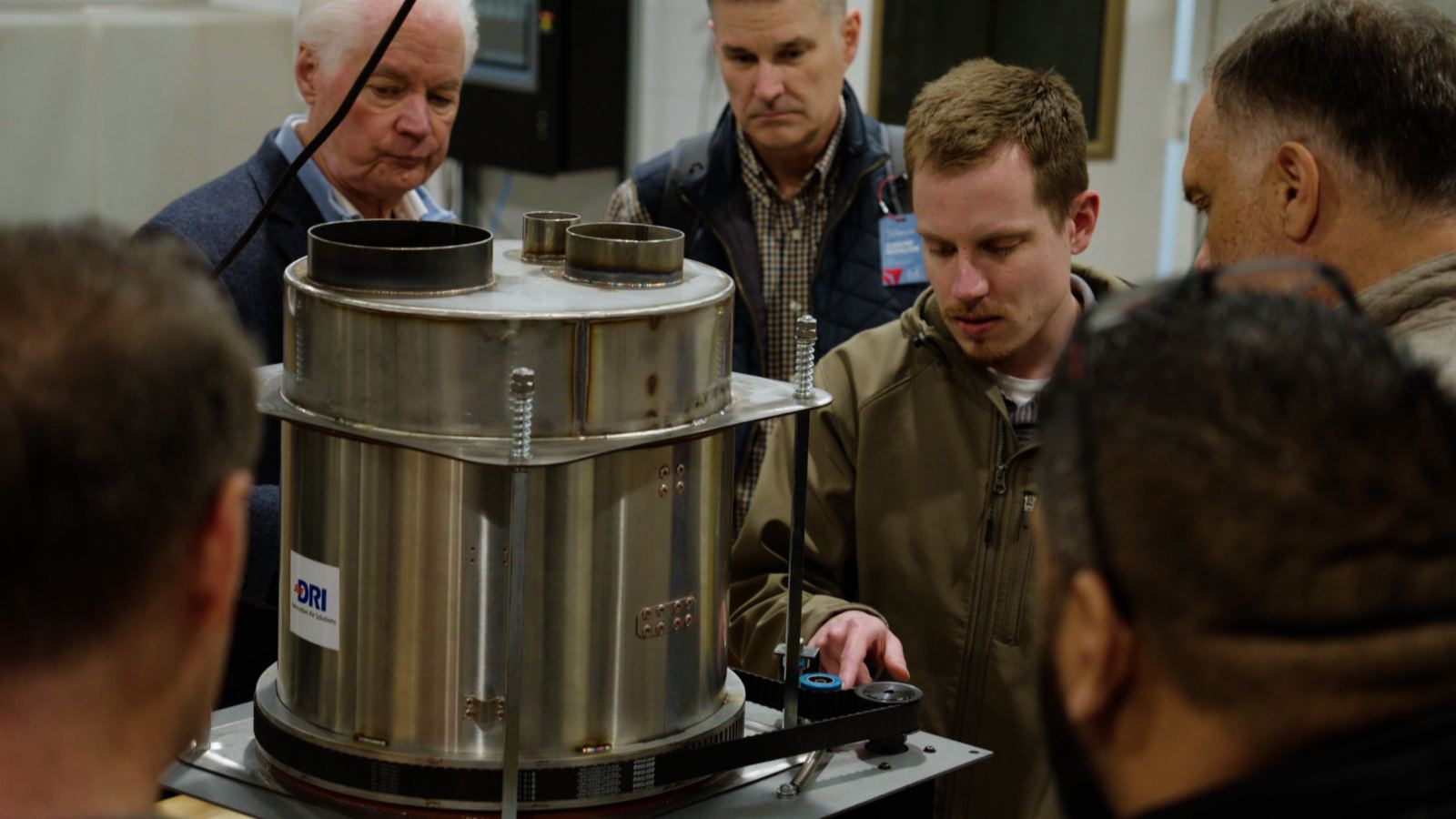
That is an unusual position for an equipment manufacturer to hold. It is the position of a reference laboratory — one the rest of the field turns to when a claim needs to be settled with data rather than opinion.
“It is the position of a reference laboratory.”
Why it fell to the focused supplier
There is a reason this lab exists at Novatec and not somewhere else, and it comes down to focus.
Novatec is the industry’s only supplier focused solely on conveying and drying. Most competitors treat drying and conveying as two lines in a catalog of many — chillers, temperature-control units, blenders, granulators, shredders, extrusion downstream, robots, and more. When a company’s attention is spread across a dozen unrelated machines, it can maintain all of them, but it can never truly drill down to question or reinvent the science underneath any one or two of them. There is simply too much surface area to go deep anywhere.
We see it differently. Conveying and drying are not two products among many — they are the cornerstones of the whole plant. Without conveying, you cannot get raw material from the trucks, railcars, gaylords, and bags to the machines that process it — and the science of how you move it decides whether you deliver an intact pellet or a fractured, abraded, dust-generating one. Drying is the same story: resins that must be dried before injection or extrusion have to be dried precisely — not to a flavor-of-the-month time estimate — to meet the results today’s processing machines, today’s rigid-spec applications, and today’s engineered polymers actually demand.
Being the focused supplier is not just a market position. It is an obligation. If drying and conveying are the cornerstones, then someone had to take them seriously enough to build the place that proves the science — and the company whose entire identity rests on those two disciplines is the one that owed it to the industry to do so.
The plastics industry that once turned out hula hoops and lawn ornaments now makes medical devices, automotive structures, and engineered components held to microscopic tolerances. The materials got harder, the specs got tighter, and the drying has to keep pace — which is exactly why measuring it, rather than timing it, has become worth the effort.
The road every other industry already took
Here is the larger point, and it is an encouraging one.
A lab like this is not a novelty — it is what mature process industries build as a matter of course. Every industry that dries a moisture-sensitive material eventually reached the same realization: that “dry for a set number of hours” describes a schedule, not an outcome. Plastics arrived at that realization later than most, and for good reasons.
For decades, the measurement simply was not available on a plant floor. The instruments that could read moisture accurately were expensive, and they were laboratory-designed, not process-designed — there was no practical way to put pellet-moisture measurement next to a running machine. Just as important, plastics set itself a genuinely harder problem than the industries that transitioned early. A lumber kiln or a grain elevator works in gross percentages of moisture — the kind a simple sensor reads. A resin has to be verified to parts per million, a measurement orders of magnitude finer. Being among the last to industrialize drying is not a lapse in diligence; it is what happens when your version of the problem is the most demanding of them all.
So the industries below are not a scorecard, and plastics is not failing against them. They are precedent and encouragement — proof that the road exists, that it repays the effort, and that the measurement has finally caught up to what plastics needs. It is a road this lab has been traveling for years.
The road every other industry already took. Timeline of twelve industry precedents by adoption milestone, closing with the Resin Proving Ground's 2006 entry and the work continuing today.
1910
Lumber
USDA Forest Products Lab
1928
Baking
Farinograph absorption
1929
Paper
Institute of Paper Chemistry
1944
Concrete
ACI free-water correction
1949
Textiles
ASTM D1909 regains
1955
Steel sinter
Granulation moisture
1956
Tobacco
CORESTA founded
1959
Dairy
Moorepark research centre
1961
Grain
Thin-layer drying equations
1978
Chemicals
Intl Drying Symposium
1983
Coffee
ISO 6673 issued
2004
Pharmaceuticals
FDA PAT framework
2006
Plastics
The Resin Proving Ground
Today
the work continues
The twelve industry precedents in this section, by adoption milestone — with the Proving Ground's 2006 entry as the closing point
1910
Lumber
USDA Forest Products Laboratory
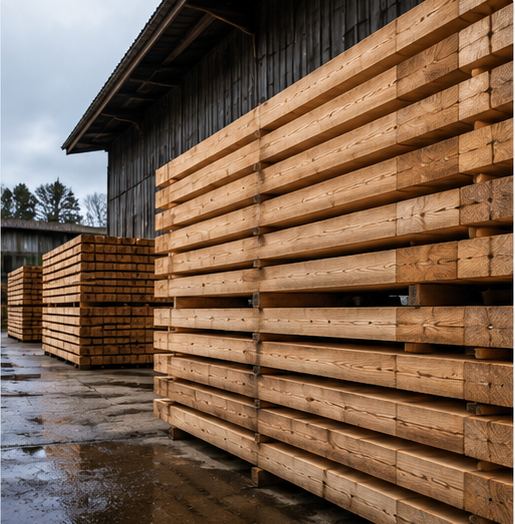
The USDA Forest Products Laboratory opened in 1910 to gather scattered wood research into one national institution, and by 1917 had published the first true kiln-drying manual — replacing “season it until it looks right” with schedules computed from species, thickness, and a moisture-content target. Today the controlling loop still runs off the measured average moisture of the wettest half of the kiln samples, stepping temperature and humidity as that value crosses each threshold — never a blind timer. (USDA FPL; FPL Ch.7)
1928
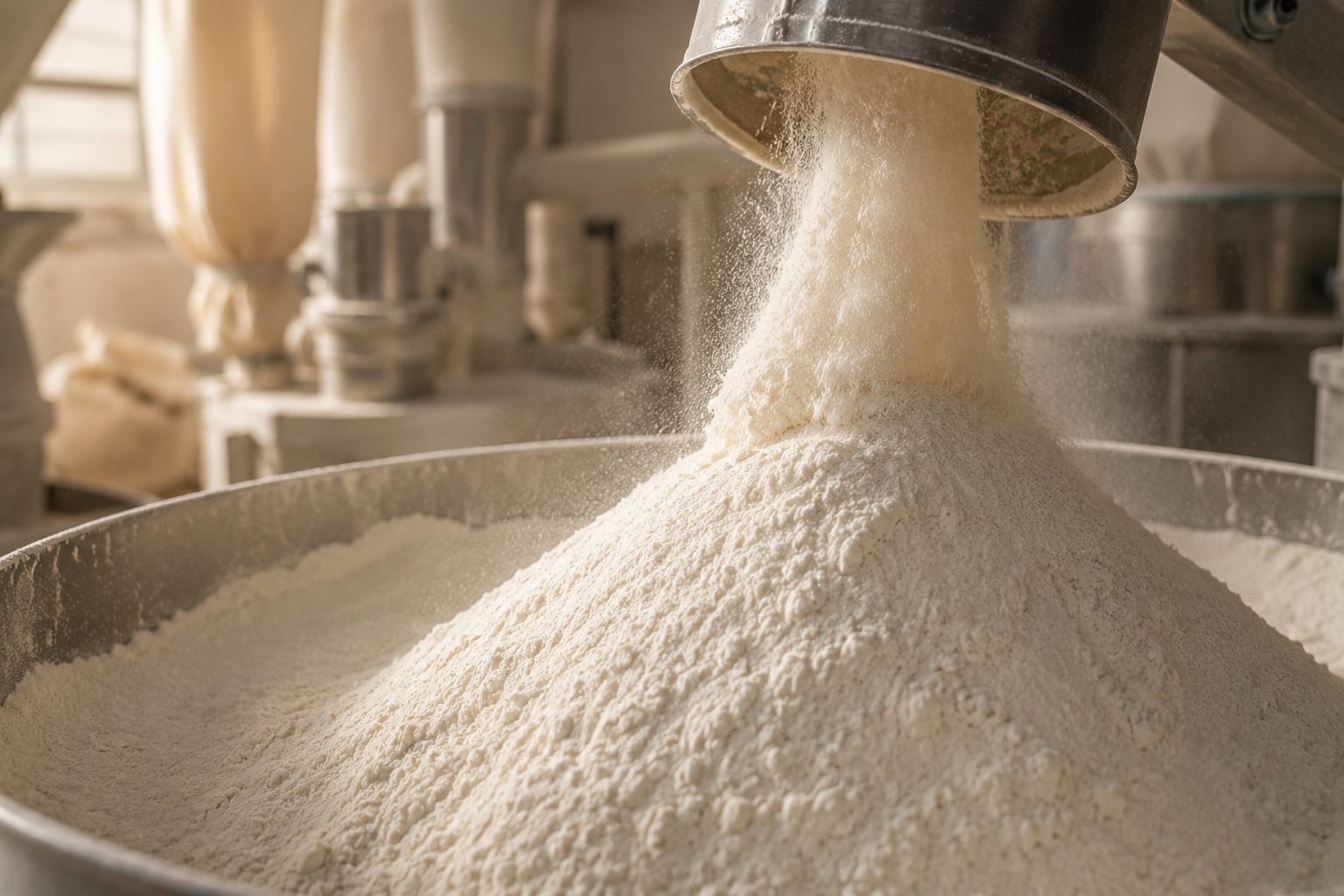
Baking & Flour Milling
Brabender farinograph introduced
Flour is a biological material whose moisture drifts lot to lot, and that moisture sets how much water it will absorb to form dough of correct consistency. Each lot’s absorption is characterized on a farinograph before production — the water level that brings peak consistency to 500 Farinograph Units. It is the cleanest analog to concrete: probe the material, dose the water. Peer-reviewed oven work found that controlling to the product’s calculated moisture load beats controlling to zone air temperature; oven loss-on-drying under ISO 712 remains the gravimetric reference. (IAOM; University of Reading / IOP)
1929
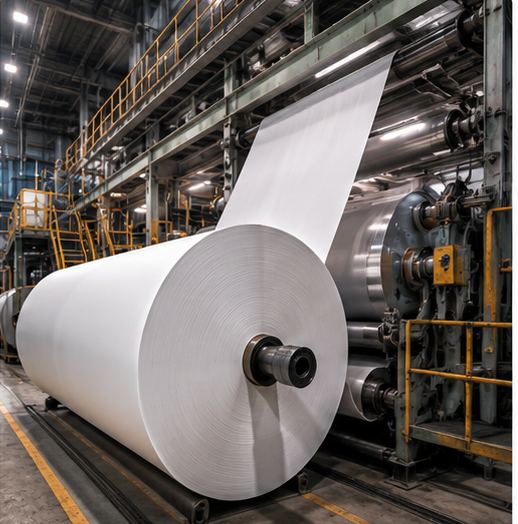
Paper
Institute of Paper Chemistry
The Institute of Paper Chemistry was founded in 1929 when the industry decided rule-of-thumb operator knowledge was no longer enough; a century on, its successor at Georgia Tech is still funded to make drying more efficient. Paper now treats exit moisture as a continuously scanned, closed-loop control variable. (Georgia Tech RBI)
1944
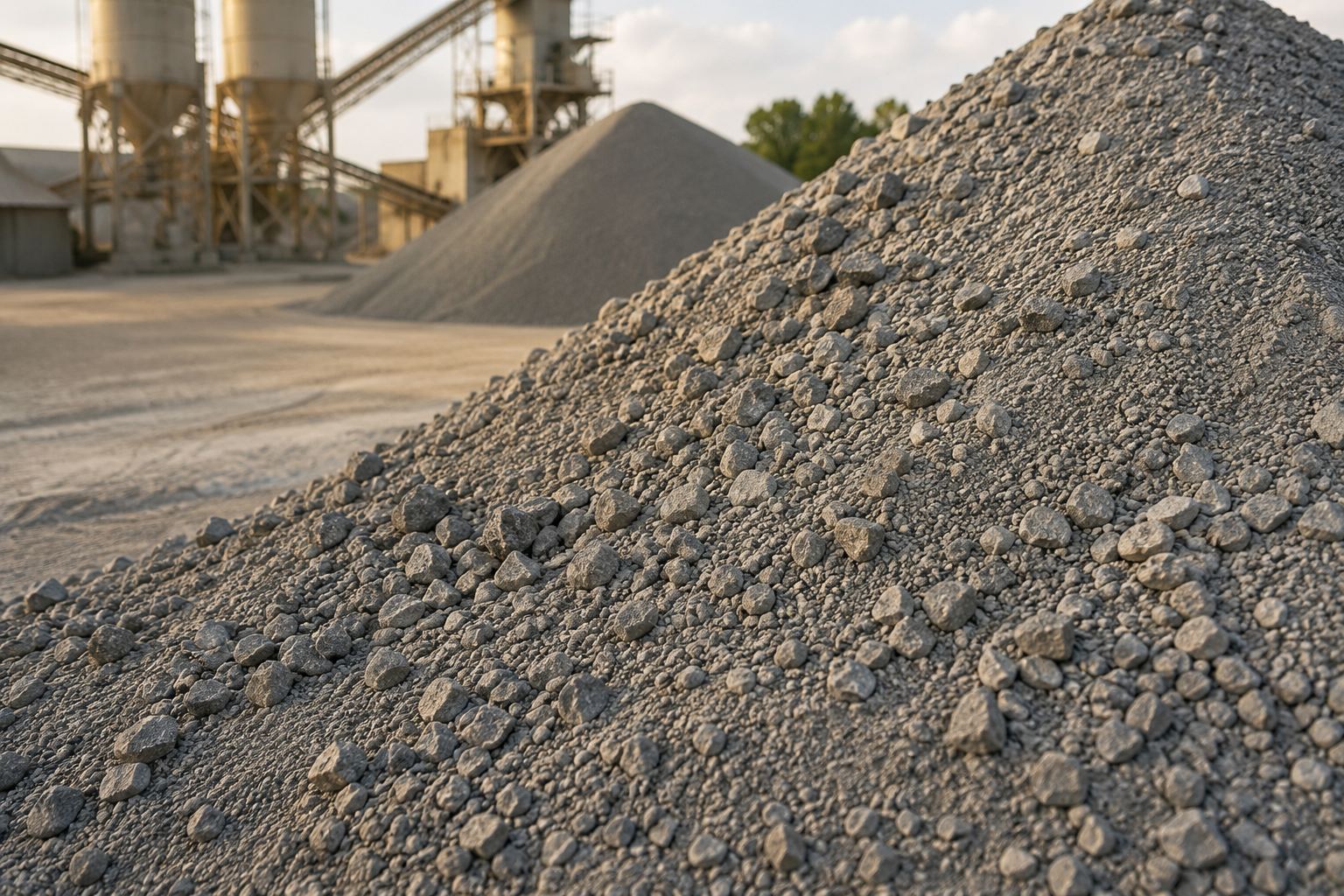
Concrete
ACI 613 free-water correction
Concrete cannot tolerate an assumed moisture: aggregate is batched by weight, that weight includes water, and an uncorrected reading silently changes the delivered water-to-cement ratio. Microwave probes in the bin necks read 25 times per second to 0.2% accuracy, and the batch computer applies the ACI correction automatically — raising aggregate weight and cutting mix water by the equivalent free water. A worked ACI example subtracts 5.3% free water riding on the sand; ACI PRC-211.1-22 is the current codification. (ACI PRC-211.1-22; Hydronix)
1949
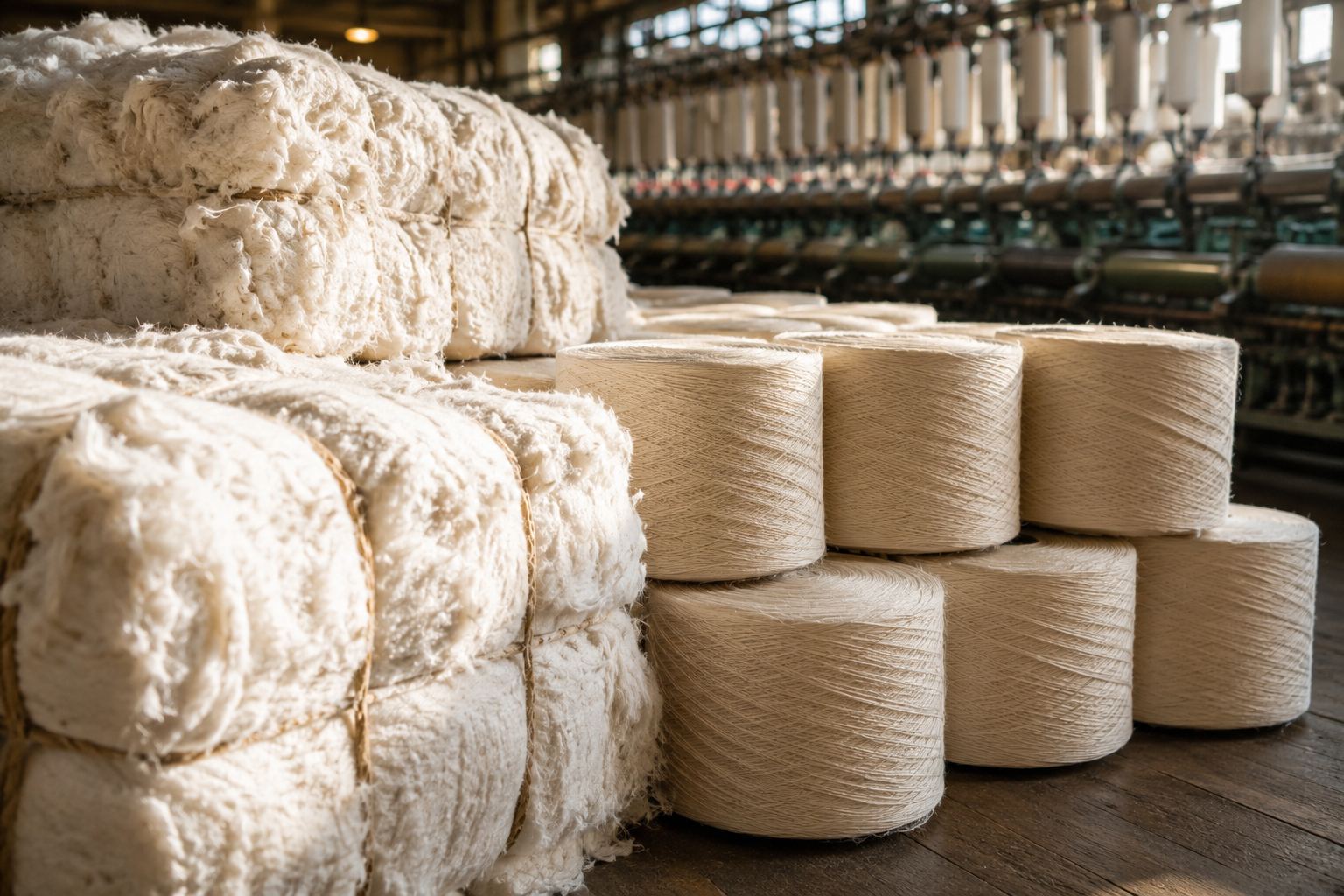
Textiles
ASTM D1909 commercial regains
Textiles work in “regain” — water as a percentage of bone-dry fiber — because it changes invoicing weight, tensile strength, and processability: cotton holds about 7.5% regain at 65% RH against 5.0% at 45% RH, a gap tied to an 18–22% swing in strength. ASTM D1909 publishes commercial regains by fiber and ISO 6741-1 governs invoice-weight correction. The material equilibrates to the room, so the control loop is department-level humidification — but the target is still a fiber property, verified by oven-dry reference. (ASTM D1909; Condair)
1955
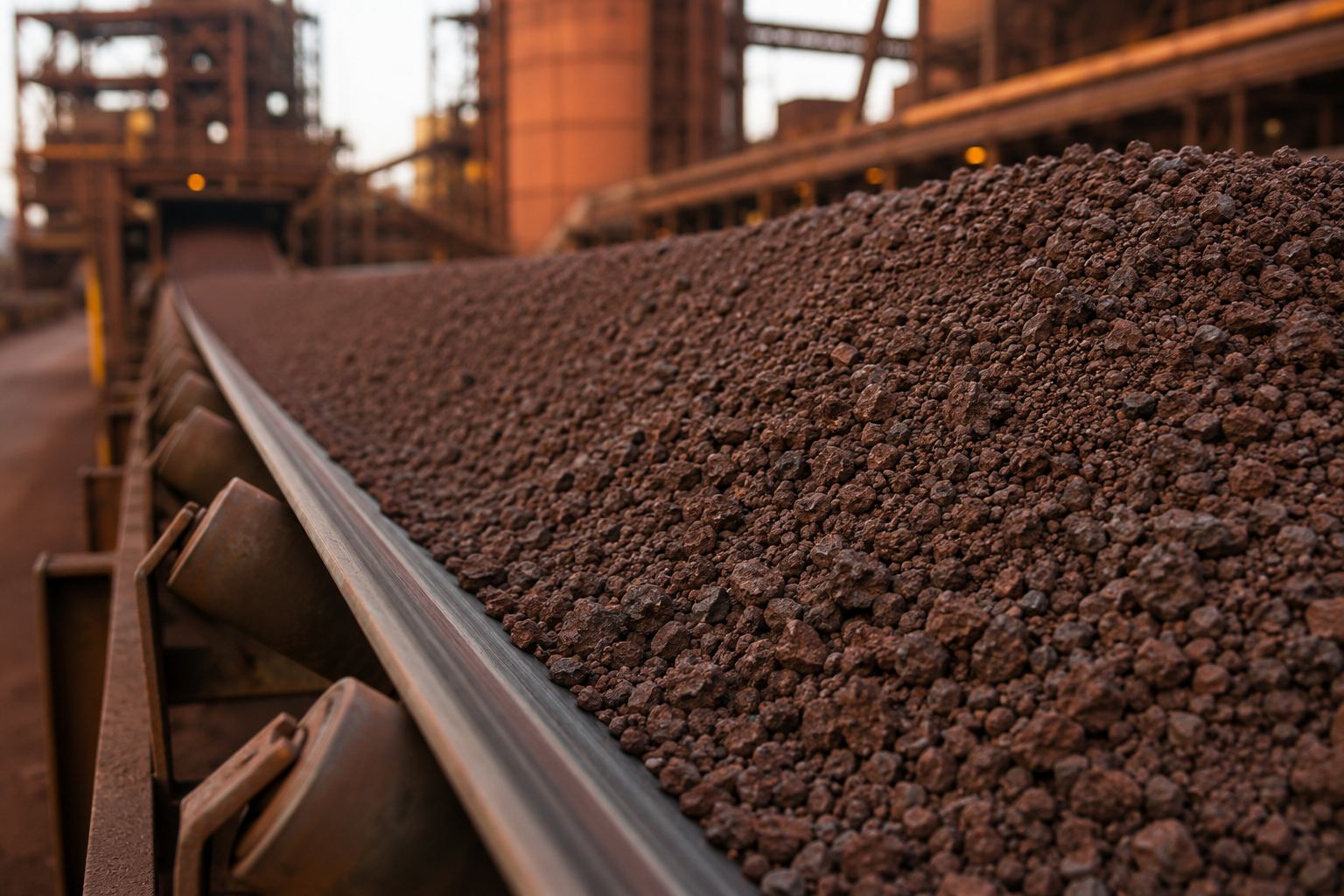
Steel — Iron Ore Sinter
Granulation moisture control
Sinter plants granulate ore fines with water before the strand, and that moisture governs bed permeability — the airflow driving combustion and fuel use. Because different ore brands hold water differently, a single fixed target is technically wrong: the optimum is computed per blend from measured water-holding capacities. Automatic control against that dynamic target roughly halved moisture variability (SD 0.25% → 0.13%) and cut the fuel ratio by 1.1 kg per tonne by no longer boiling off surplus water. (confer.cz; Swansea University)
1956
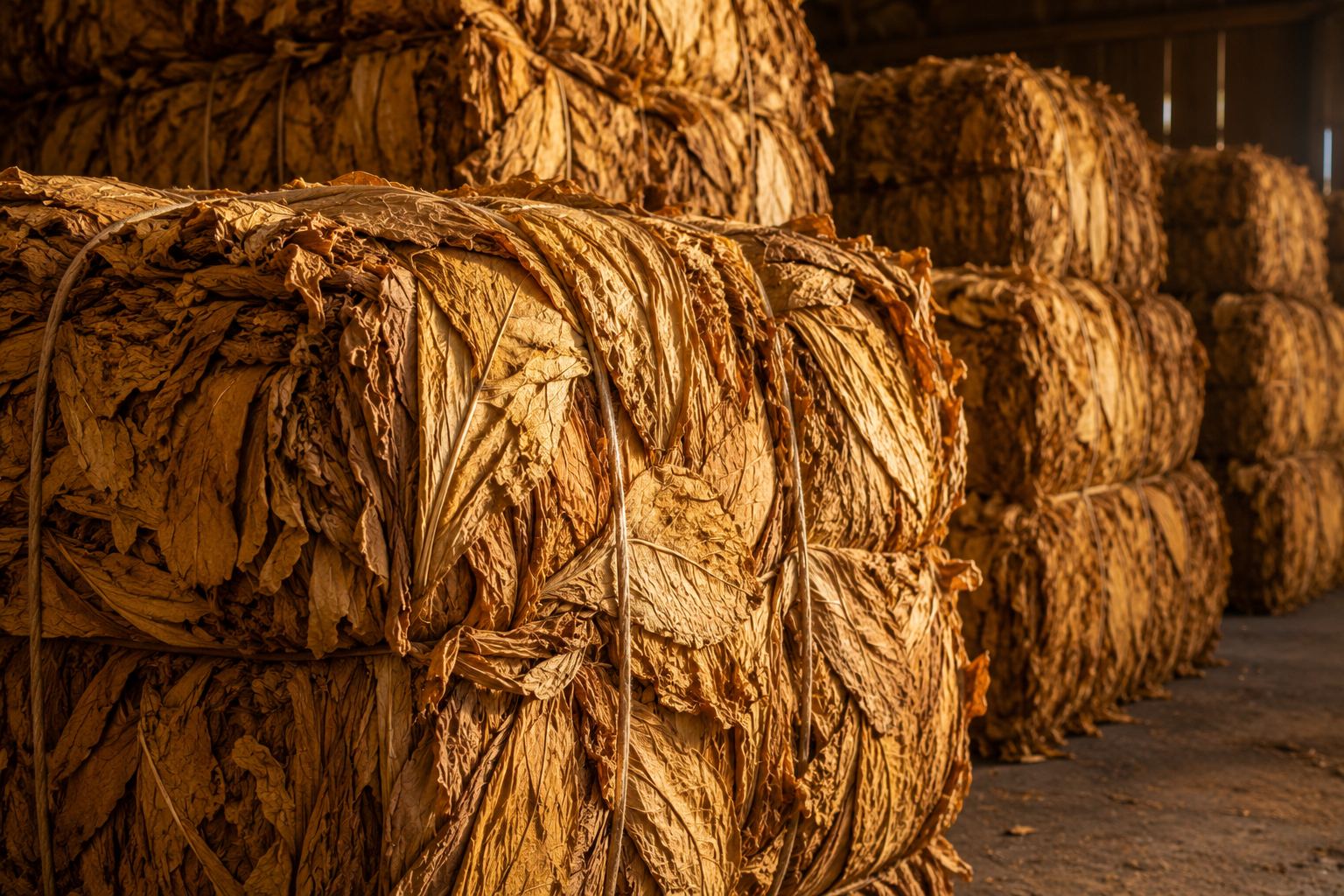
Tobacco
CORESTA founded
Tobacco tracks moisture at every discrete stage — threshing infeed, stem conditioning, redrying exit, storage — because a 3–4% swing in conditioning humidity shifts cigarette rod weight by 20 mg or more. CORESTA methods own both the measurement and the conditioning atmospheres. A documented feedforward-plus-feedback loop on pneumatic dryers, measuring inlet moisture to pre-compute the drying-air signal, cut moisture-variation standard deviation by 20.27% across 214 production batches. (CORESTA Guide No. 6; University of Reading)
1959
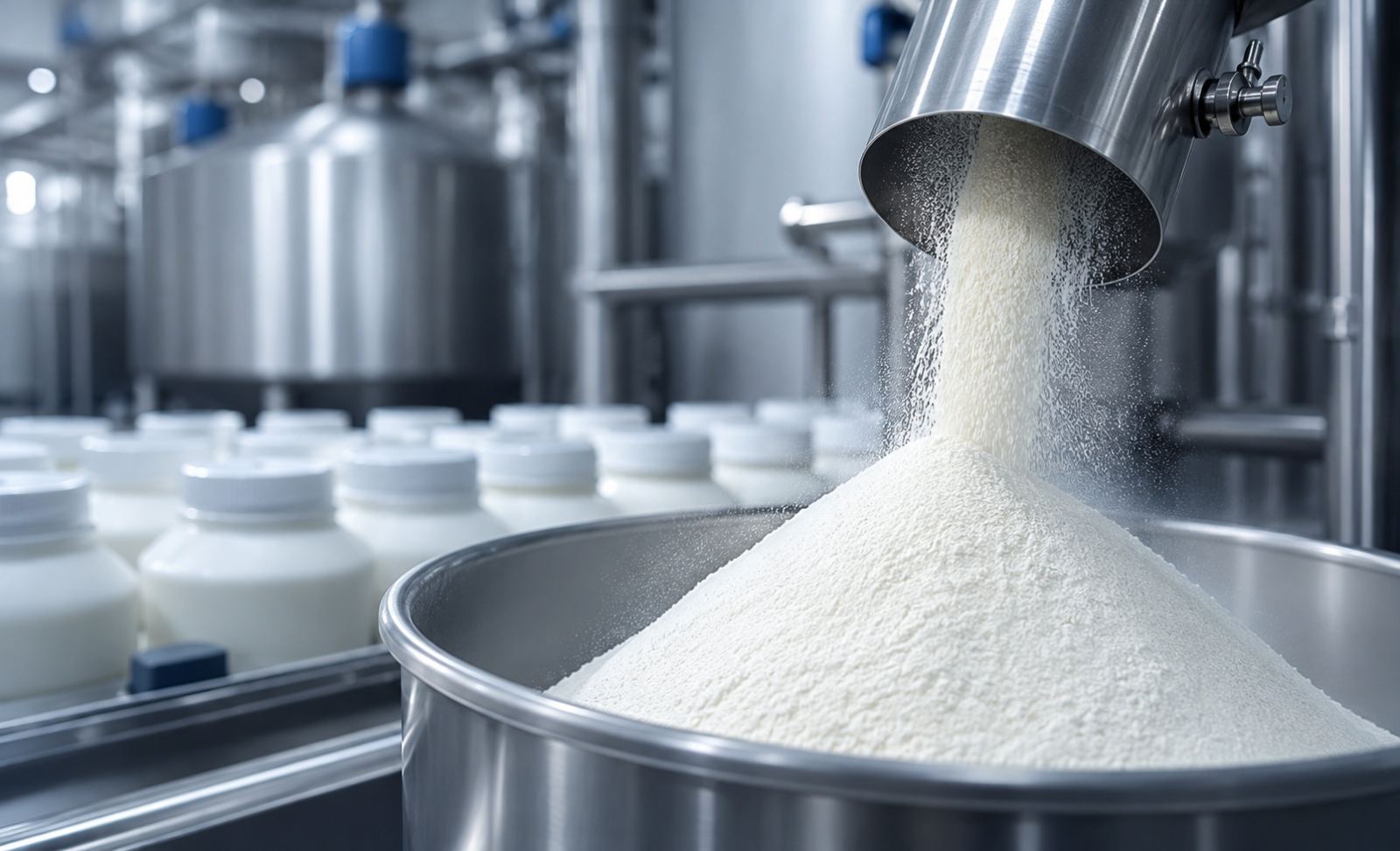
Dairy
Moorepark research centre
Dairy built dedicated pilot plants — Teagasc’s Moorepark among them — so producers could de-risk drying decisions before committing capital. Its most instructive finding is a deliberate choice: peer-reviewed work established that outlet-air relative humidity, not outlet temperature, is the reliable lever for final powder moisture, so plants control to the air variable that actually tracks water leaving the product. Codex caps milk powder at 5% moisture; commercial targets run tighter still. (HAL science; Codex CXS 207-1999)
1961
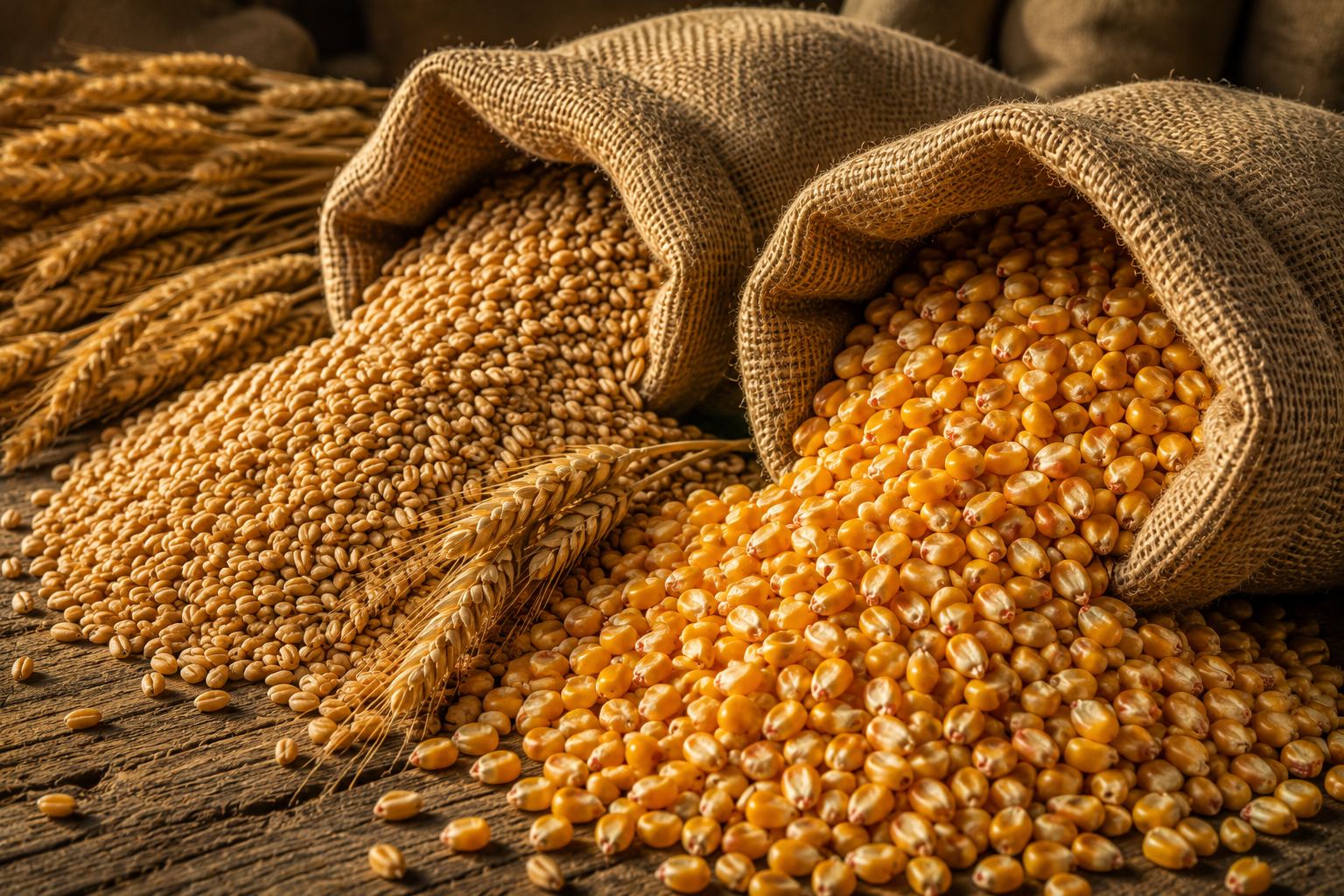
Grain
Thin-layer drying equations
Grain drying moved onto codified, peer-reviewed thin-layer equations and standardized moisture isotherms, sustained by purpose-built national research centers. The reading does real work: a capacitance meter at the scale house sets the price through a posted discount schedule before the load is accepted, and routes it — grain above the storage-safe threshold goes to a dryer, not a bin. USDA-FGIS requires approved, UGMA-calibrated meters so the decision is legally defensible. (USDA Moisture Handbook; USDA AMS)
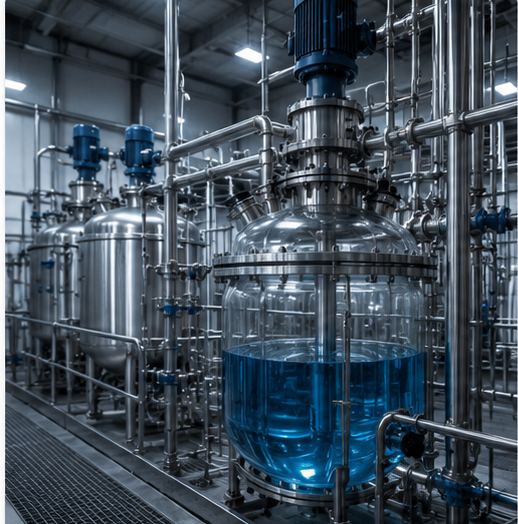
1978
Chemicals
International Drying Symposium
Beginning in 1978, Professor Arun Mujumdar built the International Drying Symposium, the journal Drying Technology, and the 1,300-page Handbook of Industrial Drying — a scientific apparatus assembled because drying research had been fragmented and under-recognized. Equipment makers there test a client’s actual material at pilot scale before specifying a machine. (Taylor & Francis)
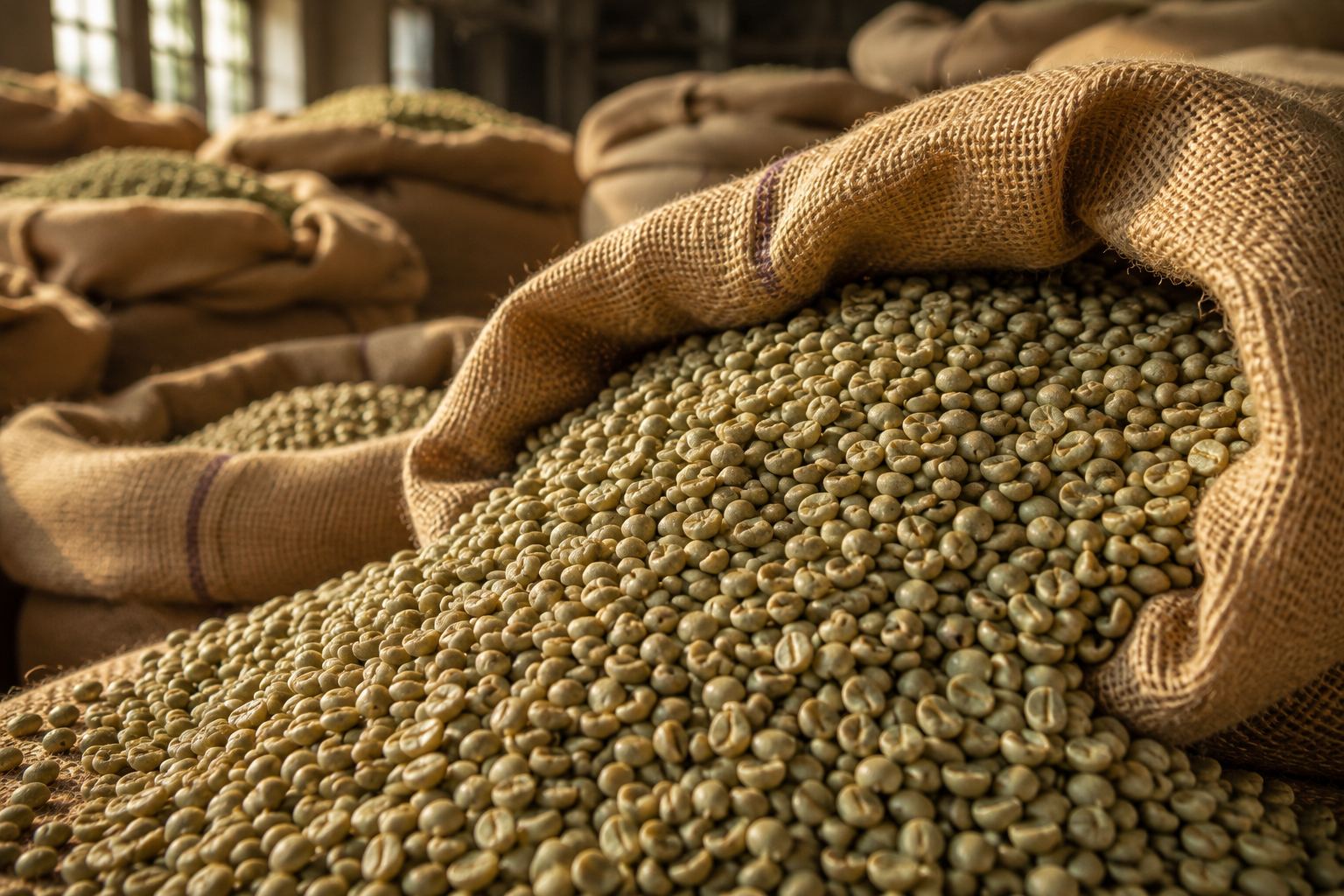
1983
Coffee
ISO 6673 first issued
Green coffee moisture governs storage safety, roast heat transfer, and trade value, so it is measured at origin, at pre-shipment, on receiving, in storage, and again before roasting. ICO Resolution 420 requires 8–12.5% moisture by ISO 6673 to qualify for the “S” quality label; the specialty band is tighter still. Arrivals deviating more than ±0.5% from the pre-shipment certificate are reviewed, and the roaster uses the known incoming figure to set charge temperature and drying-phase length. (ICO Resolution 420; SCA Protocol)

2004
Pharmaceuticals
FDA PAT framework
The FDA’s 2004 Process Analytical Technology framework defined a process endpoint as the achievement of a material attribute rather than a fixed time, on the principle that quality cannot be tested into products. In practice an NIR probe inside the fluid bed streams live moisture and drying ends when that signal approaches its target — not when a timer or a product-temperature reading says so. Karl Fischer titration remains the pharmacopeial reference behind it. (FDA PAT) (USP <921>; Metrohm)
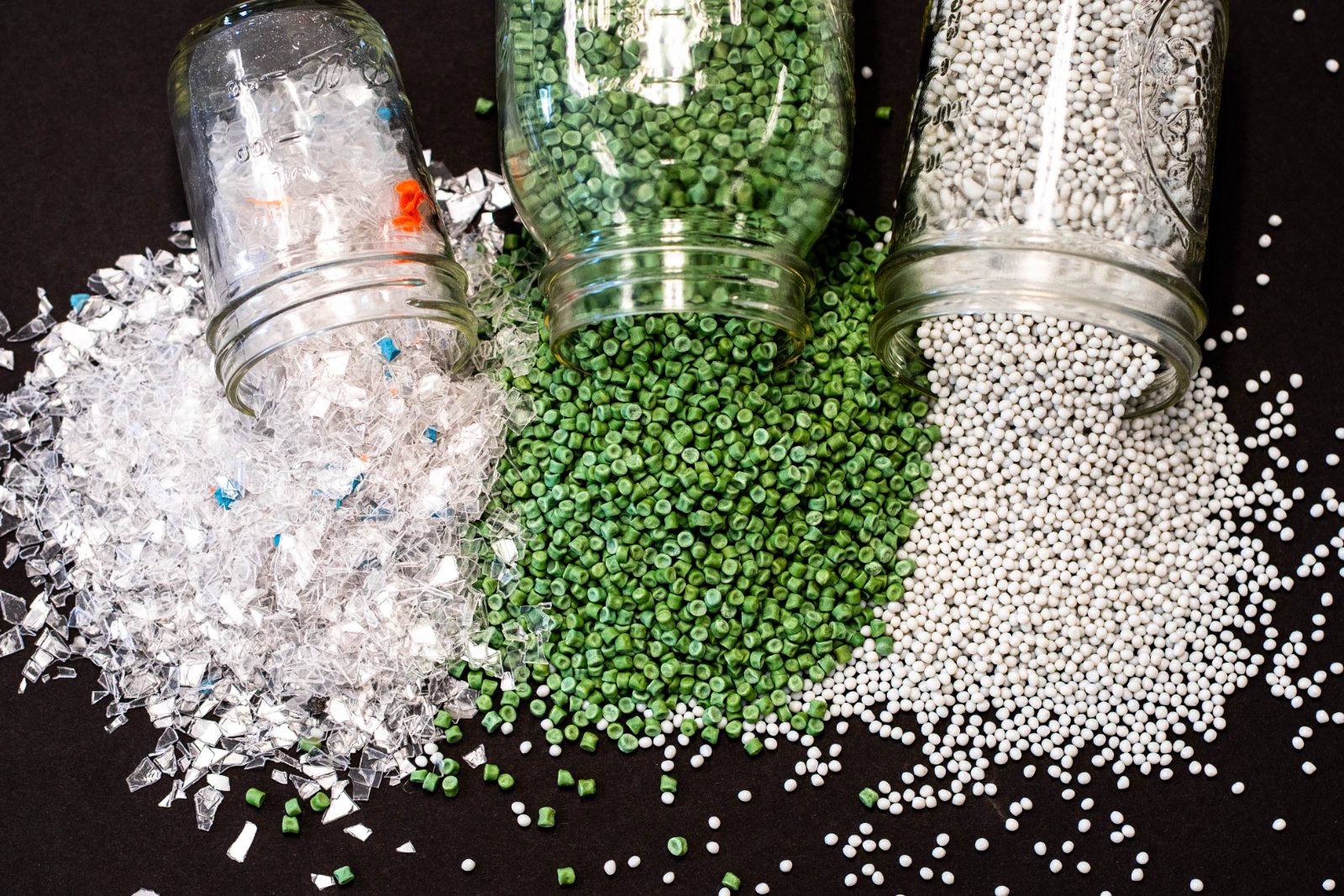
2006
Plastics
The Resin Proving Ground
Plastics arrives last for a reason. Every industry above works in whole percentages of moisture; plastics has to be verified to parts per million — the hardest version of the problem, and the last one the measurement caught up to. In 2006 this lab was built to do for resin what the twelve above did for their materials: replace the assumption with a measurement.
Twelve industries, more than a century of shared effort, one shared conclusion:
a moisture-sensitive material deserves a measured endpoint, and reaching it is worth a dedicated laboratory and real patience. Read across them and the same move repeats — concrete probes the sand and trims the water, pharma ends drying when the granule signal hits target, lumber weighs the boards rather than trusting the air, dairy picks the one air variable that tracks water leaving the product. What they offer a plastics processor is not a verdict but a map: the transition is normal, it repays the effort, and it is finally within reach now that the measurement has caught up to the parts-per-million precision plastics needs. The payoff is real — plastics drying already consumes an estimated 10–22% of processing energy for hygroscopic polymers (OSTI/DOE; CORDIS; Plastics Engineering).
That is the road the Resin Proving Ground has been traveling for two decades. It is not plastics inventing something exotic, and it is not a sudden awakening — it is the same path pharma, lumber, grain, paper, and chemicals each walked, now genuinely open to plastics because the instruments and the modeling have finally caught up to the precision the material demands. The lab’s work has simply been to walk it a little sooner, and to bring the measurements back.
Where this is going
“Not a louder claim — a provable one.”
The point of proving that drying is a science is not to win an argument. It is to close a gap for good.
Modern engineering software has advanced the science of drying faster in the last decade than in the fifty years before it, and this lab is the rare place with all of those tools — instruments, competitive baselines, and simulation — under one roof, aimed at a single problem: replacing rules of thumb with tested, physics-based engineering. The ambition is a future where a processor no longer runs on a drying-time guess, but on a number the science can actually predict.
This article has focused on drying, but the lab has never been a drying-only room. Conveying has been characterized here alongside drying from the start — the same instruments, the same modeling capability, and the same measure-don’t-assume discipline apply directly to how material moves through a line, where flow behavior, line design, and material handling obey their own physics. That work is ongoing, and it is where the same rigor will keep proving out the next generation of conveying as well. We simply haven’t drilled into it here.
That is what twenty years, the instruments, the competitive machines, the simulation software, and the people were all building toward. Not a louder claim — a provable one.
Drying deserved to be a science. We built the place that proves it — for drying, and for conveying.
Frequently asked questions
What is the Resin Proving Ground?
A dedicated research laboratory founded in 2006 at Novatec’s Baltimore facility, focused entirely on the science of resin drying and conveying. It combines reference-grade moisture instrumentation, in-house ANSYS computational modeling, and competitively purchased dryers to test how drying and conveying actually behave — before any equipment reaches a customer’s floor.
How is resin moisture actually measured?
Directly, from the pellet — by Karl Fischer titration, the industry’s gold-standard method that is chemically specific to water, or by loss-on-drying analysis. Air-side readings such as dewpoint describe the drying air, not the polymer, and cannot substitute for direct measurement.
Why does a drying equipment maker buy its competitors' dryers?
Because two dryers with identical datasheets can dry differently. Hopper flow pattern — mass flow versus funnel flow — governs residence-time distribution, a foundational bulk-solids variable that never appears on a spec sheet. The only way to baseline what a machine actually delivers is to own it, instrument it, and test it.
Do other industries run drying laboratories like this?
Yes — it is the norm everywhere except plastics. Pharmaceuticals built consortium-scale drying science under the FDA’s PAT framework; lumber has run the USDA Forest Products Laboratory since 1910; grain, dairy, paper, and chemicals each built dedicated centers and standards bodies. Plastics is the outlier this lab was built to correct.
Can processors use the lab?
Yes. Processors routinely qualify their resins in the lab before committing them to production, and resin producers and instrument makers have used it as a proving ground for their own materials and equipment.
At Novatec, we believe drying and conveying are the cornerstones of the plant — sciences that deserve their own laboratory, their own instruments, and their own proof. Everything the lab measures exists to replace one more assumption with a number, and everything Novatec builds is designed against what the lab has proven. That is the standard this Knowledge Center is written to.
Sources
- Guidelines for Drying PET — PS Stoughton. Bound moisture, diffusion physics.
- Suherman et al. — NTNU. Nylon 6 drying controlled by internal diffusion (Fick’s Law).
- The Importance of Properly Preparing Resins for Injection Molding — The Madison Group. Direct pellet measurement.
- Karl Fischer Titration Monograph — Metrohm. Method specificity and accuracy.
- CFD of Flow in a Desiccant Air Dryer — ScienceDirect. Conservation-equation modeling of drying beds.
- Airflow Dead-Zone Characterization — University of Manitoba.
- Mass Flow vs. Funnel Flow — Jenike & Johanson. Residence-time distribution.
- FDA Process Analytical Technology Guidance (2004). Material-attribute endpoints vs. time-defined endpoints.
- LyoHUB — Purdue University; ASTM E3250-21. Consortium drying science; freeze-drying instrumentation standard.
- ABB — PAT dryer monitoring case, $55M first-year savings.
- USDA Forest Products Laboratory; FPL GTR-118. Kiln-drying schedules; degrade economics.
- USDA-ARS grain research center; Kansas State feed-technology center.
- Moorepark Technology (Teagasc); GEA/Fonterra spray-dryer engineering.
- Georgia Tech Renewable Bioproducts Institute (Institute of Paper Chemistry history).
- Measurex/Honeywell — paper moisture-instrumentation market scale.
- Taylor & Francis — International Drying Symposium; Drying Technology; Handbook of Industrial Drying.
- OSTI/DOE; CORDIS; Plastics Engineering — drying share of processing energy (10–22%) for hygroscopic polymers.
- USP <921> Karl Fischer; USP <731> Loss on Drying; Metrohm — in-line NIR fluid-bed moisture. Via Cross-Industry Moisture Study V9.
- ASTM D1909 commercial moisture regains; ISO 6741-1; Condair — humidity control in textile manufacturing. Via Cross-Industry Moisture Study V9.
- CORESTA Guide No. 6 and CRM 76/42; University of Reading — pneumatic-dryer moisture control. Via Cross-Industry Moisture Study V9.
- ACI PRC-211.1-22 moisture-correction mathematics; ASTM C566; Hydronix Hydro-Probe. Via Cross-Industry Moisture Study V9.
- IAOM — Brabender Farinograph; ISO 712; University of Reading / IOP — biscuit-oven heat-load control. Via Cross-Industry Moisture Study V9.
- ICO Resolution 420; ISO 6673; SCA Coffee Value Assessment Protocol. Via Cross-Industry Moisture Study V9.
- confer.cz — automatic control of optimal granulation moisture; Swansea University — green-bed moisture. Via Cross-Industry Moisture Study V9.
Sources 18–24 are drawn from the Resin Proving Ground’s Cross-Industry Moisture Study V9, which documents ten industries in depth; full source URLs are listed in that study.
Related Knowledge Center articles
Continue exploring resin drying science:

Ask the Plastic Drying Expert

Author Profile:
Mark has designed and installed resin drying systems for more than 40 years, working in thousands of plastics plants across the industry. He leads Novatec’s drying technology group, including its work on moisture measurement and predictive drying, and serves as the technical reviewer for the drying articles in the Knowledge Center. He has authored numerous technical articles and whitepapers on resin drying and moisture, including How to Optimize Resin Drying in Humid Weather, and answers processors’ drying questions through the Knowledge Center’s Ask the Expert program.