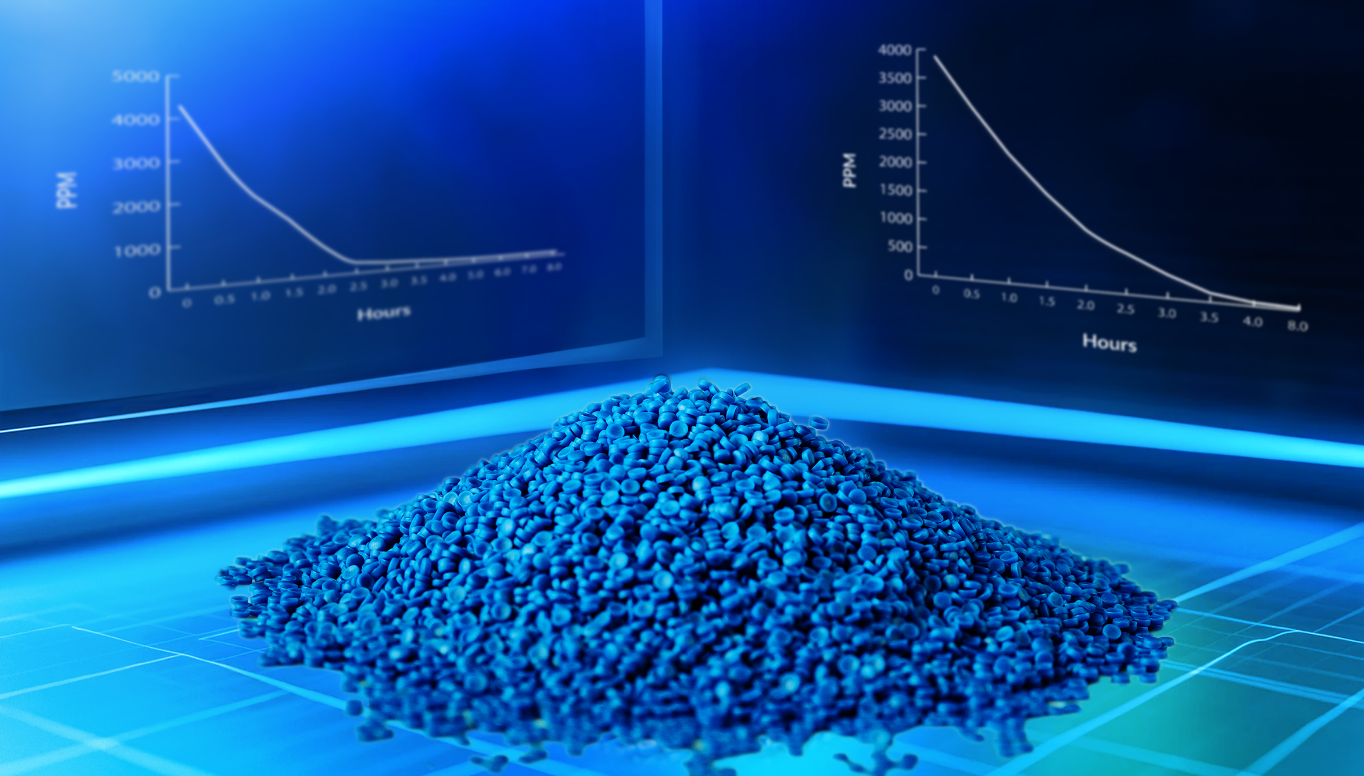
Overdrying nylon strips the moisture that keeps it flexible and causes thermal degradation at the molecular level, so parts that look fine can turn brittle and crack under stress. Most processors do not know how wet a batch is when drying starts. Supplier guidance of 4 to 6 hours assumes average starting moisture; some batches need only 2 hours, so defaulting to 6 often overdries.
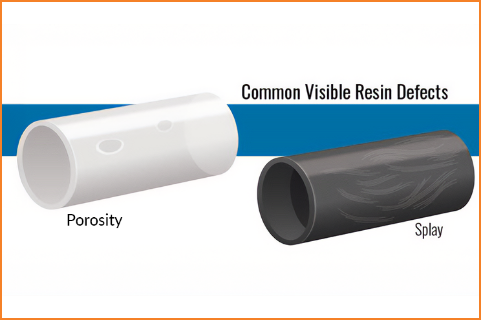
Alright, let’s get real about nylon. It’s a total rockstar in the resin world—tough, versatile, and reliable. But like any rockstar, it comes with some drama. And if you’ve ever had to deal with splay marks or porosity, you know exactly what I’m talking about.
Now, if you’ve been burned by underdrying, you might think, “I’ll just err on the side of caution to be safe!” But here’s the kicker: overcompensating can be just as bad, if not worse.
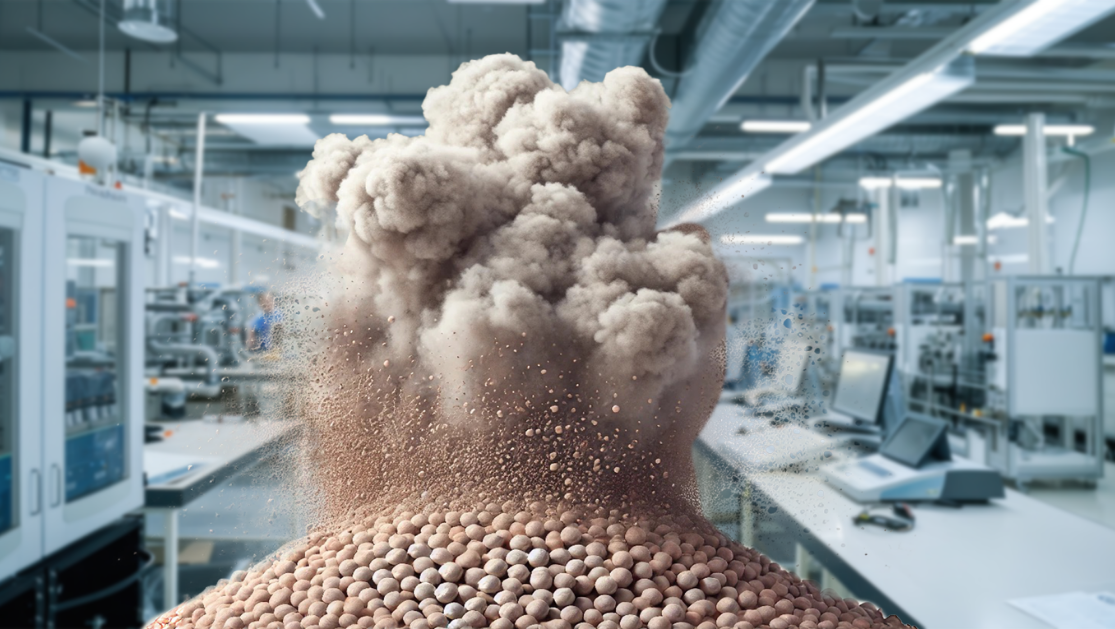
Overdrying doesn’t announce itself with visible defects. Instead, it quietly sabotages your parts at the molecular level, leaving them brittle and prone to failure.
Why Drying Blind is a Problem
Let’s face it—most processors don’t actually know how wet their nylon is when they start. And that’s a big problem. Nylon absorbs moisture from the air faster than your shoes in a puddle. So unless you just opened a fresh, perfectly sealed bag (and let’s be real—that’s rarely the case), you’re flying blind.
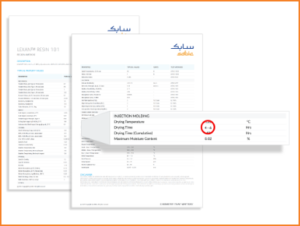
Resin supplier spec sheets say “dry for 4 to 6 hours”—but that assumes your nylon started with an average amount of moisture. What if your batch is drier than expected? What if it’s way wetter? The difference is huge. Some batches might only need 2 hours. Others might need more than 6. And since you have no idea where your nylon started, what do you do? You play it safe. You default to 6 hours, because why risk underdrying?
But here’s the problem: if your batch really only needed 2 or 3 hours, you’ve just baked it for twice as long as necessary. That means you’re not just wasting energy—you’re actively damaging your resin. Overdrying strips essential moisture that keeps nylon flexible and causes thermal degradation at a molecular level. You won’t see the damage right away, but it’s there, lurking beneath the surface, waiting to show up when your “perfect-looking” parts crack or fail under stress – turning them into a ticking time bomb.
How to Keep Nylon in the Sweet Spot
So, how do you avoid these hidden dangers? While there’s no magic wand, a few best practices can help you stay on track:
1. Store It Smart: Nylon loves moisture, so keep it sealed in moisture-resistant containers whenever it’s not in use.
2. Maintain Your Dryer: Filters, airflow, and temperature consistency matter—check them regularly to keep your system running smoothly.
3. Know the Numbers (or at Least the Risks): That 4 to 6-hour drying range is just a shot in the dark. Every batch is different. And if you’re blindly picking a time, you’re probably overdrying more often than not.
Even with all this, you’re still left guessing. And that’s the scariest part: you can follow the rules and still overdry your nylon.
We’re Here to Help
Here’s the good news: you don’t have to figure this out alone. At Novatec, we’ve been helping processors master nylon drying for decades. Whether it’s nylon 6, nylon 6/6, or blends, we’ve seen it all—and we’re here to help you navigate the challenges.
No sales pitch, no pressure—just a conversation. If you’re dealing with drying issues or have questions about processing nylon perfectly, give us a holler or reach out on the form below. We love talking shop about resin drying and helping processors like you find solutions that work.
Because perfect nylon parts start with perfect drying. Let’s figure it out together.
Supplier spec sheets typically say 4 to 6 hours, but that range assumes the nylon started with an average moisture level. A batch that arrived drier may need only 2 hours; a wetter one may need more than 6. Because nylon absorbs moisture quickly once a bag is opened, the right time depends on where the batch actually started, which most processors do not measure.
What are the signs of overdried nylon?
Overdrying rarely shows up as a visible defect at the press. Unlike underdrying, which causes splay marks or porosity, overdrying damages the resin at the molecular level, leaving parts brittle. The failure typically appears later, when a part that looked perfect cracks or fails under stress.
How do I avoid overdrying nylon?
Keep nylon sealed in moisture-resistant containers whenever it is not in use, since it picks up moisture from the air quickly. Maintain the dryer, checking filters, airflow and temperature consistency regularly. Treat the 4 to 6 hour range as a rough guide rather than a fixed rule, because picking a time without knowing the batch’s starting moisture tends to overdry more often than not.
Vice President of Moisture & Drying Technologies, Novatec
Mark Haynie has designed and installed resin drying systems for more than 40 years, working in thousands of plastics plants across the industry. As Novatec’s Vice President of Moisture & Drying Technologies, he leads the company’s drying technology group, including its work on moisture measurement and predictive drying. He also serves as a technical reviewer for Novatec’s Drying Knowledge Center and has authored numerous technical articles and whitepapers on resin drying and moisture. Mark earned a Bachelor of Science in Chemical Engineering from Virginia Tech. Through Novatec’s Ask the Expert program, Mark regularly helps processors troubleshoot drying performance and resin-moisture challenges.
Joshua Belisle is Technology Manager at Novatec, where his work focuses on simulation and technology development for resin drying. He earned a B.S. in Mechanical Engineering with a minor in Engineering Business from the University of Virginia in 2023 and joined Novatec that same year. Joshua uses simulation tools to investigate previously difficult-to-measure aspects of the drying process, helping Novatec better understand airflow, heat transfer and other variables that influence resin-drying performance.
Mark Haynie, Vice President, Moisture & Drying, Novatec, Inc.
Author Profile:
Mark Haynie has designed and installed resin drying systems for more than 40 years, working in thousands of plastics plants across the industry. As Novatec’s Vice President of Moisture & Drying Technologies, he leads the company’s drying technology group, including its work on moisture measurement and predictive drying. He also serves as a technical reviewer for Novatec’s Drying Knowledge Center and has authored numerous technical articles and whitepapers on resin drying and moisture.
Mark earned a Bachelor of Science in Chemical Engineering from Virginia Tech. Through Novatec’s Ask the Expert program, Mark regularly helps processors troubleshoot drying performance and resin-moisture challenges.