How does a gas-fired process heater work for plastics?
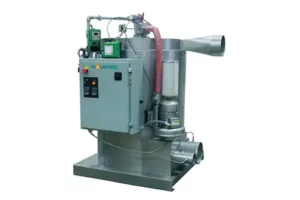
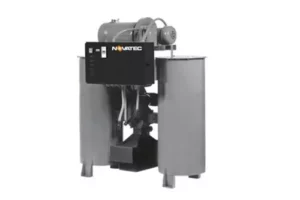
A gas-fired process heater burns natural gas or propane in a combustion chamber and transfers the heat to the plastic resin or product, using a direct or indirect method in a vertical or horizontal configuration. In many parts of the country, natural gas costs less than electricity, and energy-credit programs can add a second benefit. Efficiency matters: most units are rated 75-85%, but models rated 90% or higher exist.
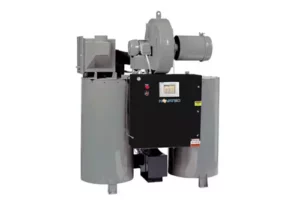
The operation of a gas-fired process heater involves burning natural gas or propane in a combustion chamber to produce heat, which is then transferred to the plastic resin or product. The heater can be designed in various configurations depending on the specific application and the heating requirements. For example, a heater may have a vertical or horizontal configuration, and may use a direct or indirect heating method.
Gas-fired process heaters are commonly used in the plastics industry because they can provide fast and efficient heating, allowing for high throughput and productivity. Additionally, they can be used for a variety of plastics processing applications, from melting plastic resin to curing finished products.
Gas-fired process heaters can be designed with various safety features, such as automatic shut-off valves and flame sensors, to ensure safe operation. They are typically made of durable materials, such as stainless steel, to withstand the high temperatures and harsh conditions found in industrial environments.
In many parts of the country, using natural gas instead of electricity can significantly reduce energy costs. Besides reducing costs, there are often programs that provide energy credits to companies that reduce energy usage – so there can be a double benefit in switching to gas.
The key to maximizing benefits is choosing a gas-fired process heater that has the highest energy-efficiency possible. Most gas-fired heaters have an efficiency rating of only 75-85% but there are models with 90+% efficiency ratings.
Dual Bed (also called Twin Tower) dryers used to be the most commonly purchased type of resin dryer. A look at why, and where the technology has progressed.
Resin drying machines that can be moved from machine to machine within a plastics processing plant have advantages and disadvantages over a central drying system.
Learn about the keys to drying PET efficiently while saving space and energy.
Frequently Asked Questions
Is natural gas cheaper than electricity for resin drying?
In many parts of the country, using natural gas instead of electricity can significantly reduce energy costs. There are also often programs that provide energy credits to companies that reduce energy usage, so switching to gas can pay off twice. How much you save depends on where you are and on choosing a heater with the highest efficiency rating available.
What efficiency rating should a gas-fired heater have?
Most gas-fired heaters carry an efficiency rating of only 75-85%, but models with 90% or higher ratings are available. The key to maximizing the cost benefit of switching from electricity to gas is choosing a heater with the highest energy efficiency possible.
What safety features do gas-fired process heaters have?
Gas-fired process heaters can be designed with safety features such as automatic shut-off valves and flame sensors to keep operation safe. They are typically built from durable materials such as stainless steel to withstand high temperatures and the harsh conditions of an industrial environment. Configuration options include vertical or horizontal layouts and direct or indirect heating.
Vice President of Moisture & Drying Technologies, Novatec
Mark Haynie has designed and installed resin drying systems for more than 40 years, working in thousands of plastics plants across the industry. As Novatec’s Vice President of Moisture & Drying Technologies, he leads the company’s drying technology group, including its work on moisture measurement and predictive drying. He also serves as a technical reviewer for Novatec’s Drying Knowledge Center and has authored numerous technical articles and whitepapers on resin drying and moisture. Mark earned a Bachelor of Science in Chemical Engineering from Virginia Tech. Through Novatec’s Ask the Expert program, Mark regularly helps processors troubleshoot drying performance and resin-moisture challenges.
Joshua Belisle is Technology Manager at Novatec, where his work focuses on simulation and technology development for resin drying. He earned a B.S. in Mechanical Engineering with a minor in Engineering Business from the University of Virginia in 2023 and joined Novatec that same year. Joshua uses simulation tools to investigate previously difficult-to-measure aspects of the drying process, helping Novatec better understand airflow, heat transfer and other variables that influence resin-drying performance.
Mark Haynie, Vice President, Moisture & Drying, Novatec, Inc.
Author Profile:
Mark Haynie has designed and installed resin drying systems for more than 40 years, working in thousands of plastics plants across the industry. As Novatec’s Vice President of Moisture & Drying Technologies, he leads the company’s drying technology group, including its work on moisture measurement and predictive drying. He also serves as a technical reviewer for Novatec’s Drying Knowledge Center and has authored numerous technical articles and whitepapers on resin drying and moisture.
Mark earned a Bachelor of Science in Chemical Engineering from Virginia Tech. Through Novatec’s Ask the Expert program, Mark regularly helps processors troubleshoot drying performance and resin-moisture challenges.