
By Mark Haynie and Joshua Belisle · Edited by Dana Gardner
Published Aug 29, 2024 · Reviewed by Mark Haynie · Jul 13, 2026

Summary

Which type of resin dryer should I use?

The right resin dryer depends on the resin: hot air dryers suit non-hygroscopic materials like polyolefins, polystyrene, and PVC, while hygroscopic resins like nylon and polycarbonate need dehumidified air from a desiccant or membrane dryer. Vacuum dryers fit heat-sensitive materials and lab-scale throughput, and infrared dryers are used mainly for PET sheet and fiber. Compressed air dryers lower dew point only 10 to 20°F and struggle in humid climates.

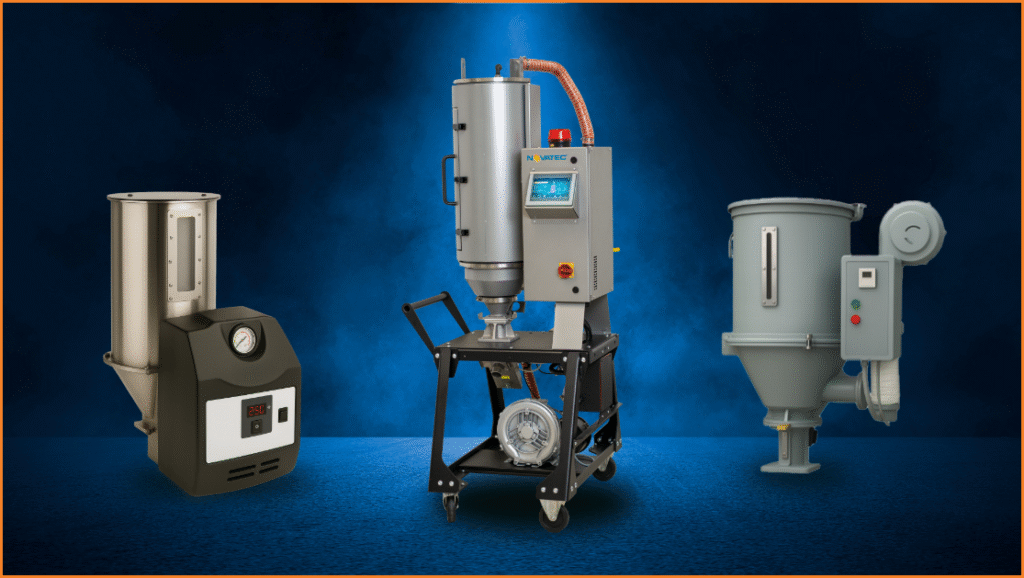
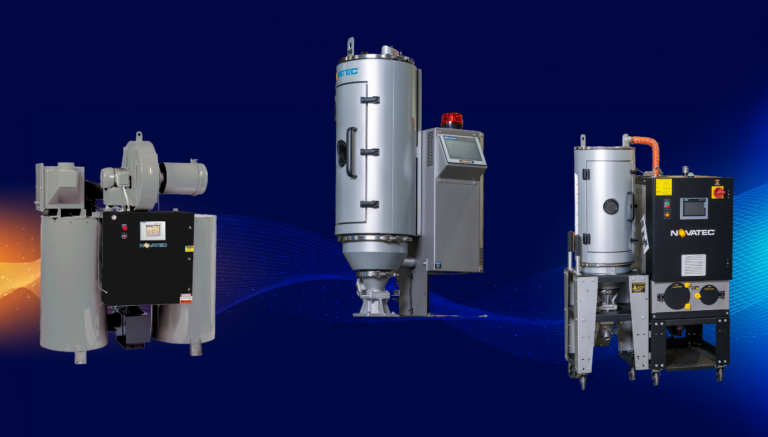
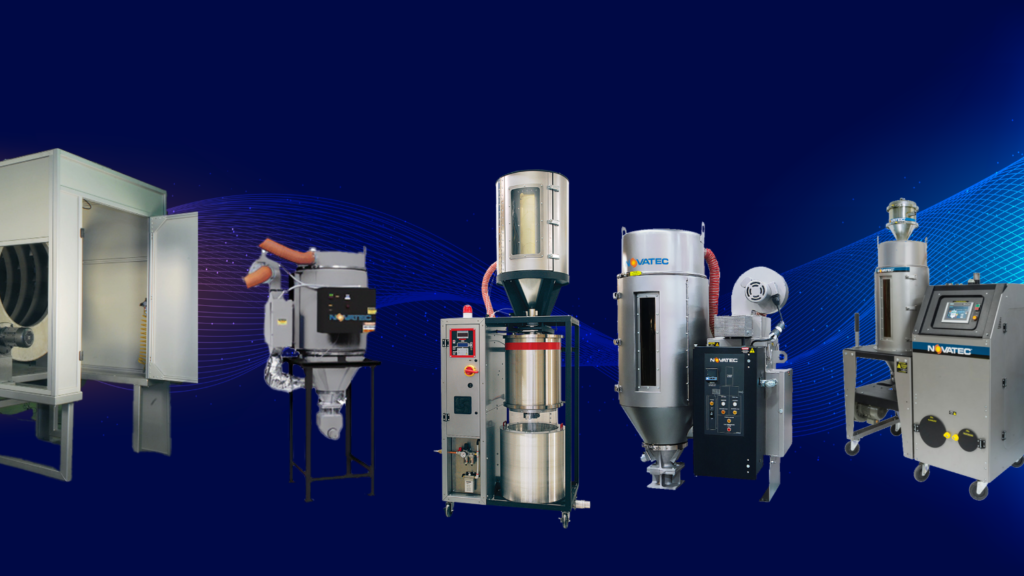
Selecting the right resin dryer can be a challenging task, considering the multitude of options available. For many years, the choice was simply between hot-air and dehumidifying desiccant dryers. However, in recent years, new dryer types have emerged on the market, and processors now have at least five different types of dryers to choose from, each with its own benefits and limitations. In this article, we’ll explore the different types of resin dryers available and discuss problems with the traditional ‘time-based’ drying process, which is typically inaccurate and can lead to over-dried or under-dried parts as well as wasted production time.


Types of Resin Dryers:

Hot Air Dryers

Hot-air dryers are a good choice for resins that have no affinity to moisture. Non-hygroscopic resins such as polyolefins, polystyrene, and PVC pick up only surface moisture from condensation when exposed to humid air. Hot-air dryers use heated ambient air to dry the resin pellets. They are simple, reliable, and relatively inexpensive compared to other types of dryers. However, hot-air dryers are not suitable for drying hygroscopic resins like nylon and polycarbonate.

Vacuum Dryers

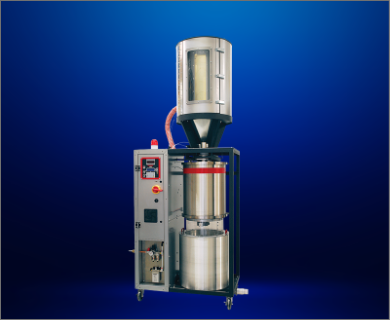
Vacuum dryers use a vacuum to lower the boiling point of water, allowing moisture to evaporate from the resin pellets at lower temperatures. By subjecting the resin to a vacuum environment, the boiling point of water decreases, allowing moisture to evaporate at lower temperatures. This reduces the risk of resin degradation or thermal damage, especially for heat-sensitive materials making vacuum dryers ideal for drying heat-sensitive resins that cannot be dried at high temperatures. Vacuum dryers have also come into the mainstream recently because of their speed in drying and low cost of operation. The 30 lb./hr. models are very well positioned for lab applications.

Infrared Dryers

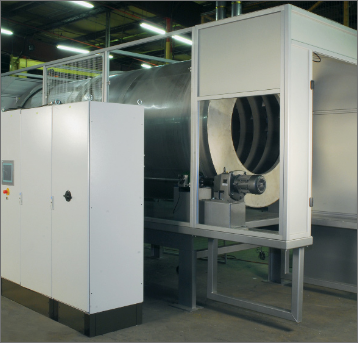
Infrared dryers use infrared radiation to heat the resin pellets, allowing moisture to evaporate. Infrared dryers are generally used in drying PET for sheet and some fiber applications. They tend to have a higher cost than a typical desiccant dryer but can be very competitive when doing both crystallizing and primary drying. The infrared heat penetrates well to the inside of the resin flake or pellet and drives the moisture out while crystallizing the resin at the same time. These dryers can shorten the drying crystallizing process start up from 6-10 hours to one hour.

Membrane Dryers & Compressed Air Dryers

A compressed air resin dryer is a type of dryer used to remove moisture from plastic resin using compressed air. The dryer uses a combination of heat and compressed air to dry the resin. A membrane dryer is a type of compressed air dryer that uses a membrane to remove moisture and other contaminants from the air; however, it is easy to get confused about the differences between membrane dryers and compressed air dryers but when it comes to resin drying it is critical to understand the differences. Firstly, compressed air dryers typically reduce the dew point of the incoming air by only 10 to 20 degrees F. That means if the incoming air is at a 40-degree dew point, your plastic pellets will only see “drying air” with a 20 or 30-degree dew point, despite the fact that resin manufacturers specify that most resins be dried by -40 degree dew point air. So in some geographic areas where it is typically humid, these compressed air dryers will not work very well at all. In climates that are typically dry in the winter but often humid during summer months, the compressed air dryer may work alright during the winter but have to be shut down during humid days in the Spring, Summer, and Fall.

Conversely, Membrane dryers, much like desiccant dryers, produce -40° low dew point air for drying – year-round, regardless of humidity. The low dew point is achieved by drying high dew point compressed air with a hollow fiber membrane that separates the moisture from the airstream. These systems can provide similar economies to a desiccant dryer if equipped with the necessary flow. The membrane has an extremely long life and they have no moving parts making them very well-fitted for smaller injection molding applications.

The other big difference is the comparison of operating costs. Plain compressed air dryers use about 3 times as much compressed air as membrane dryers with a built-in membrane. Even compressed air dryers with add-on membranes use about 2.5 times as much compressed air as membrane dryers with built-in membranes. You may save some money on the initial purchase of a compressed air dryer or one with an add-on membrane BUT your operating costs will be so much lower with the built-in membrane dryer that over a 10-year period, you will save tens of thousands of dollars to dry your plastic resins.

Desiccant Dryers
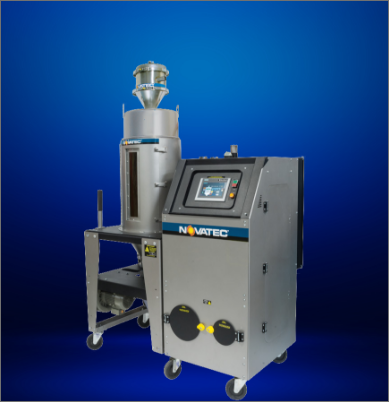
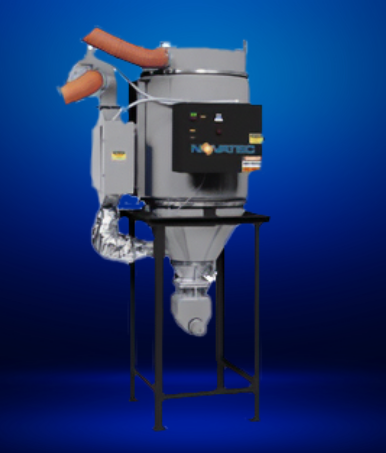
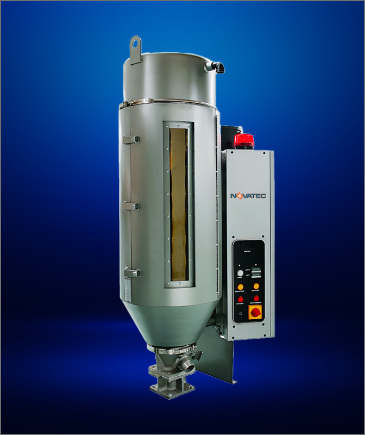
Desiccant dryers use a desiccant material, usually molecular sieve, to absorb moisture from the air. The desiccant is regenerated by heating it to a high temperature, usually above 300°F. Desiccant dryers are known for their superior moisture removal and are extremely effective at removing moisture from resins. Desiccant dryers are also highly versatile as they can accommodate various throughput requirements and are also ideal at drying a wide range of resin types including engineering plastics, commodity plastics, and are even efficient at drying hygroscopic resin that are highly sensitive to moisture. This is because desiccant dryers can achieve very low moisture levels and can provide a dew point of -40°F or lower, which is necessary for ensuring optimal dryness of the resin and reducing the risk of defects caused by moisture.

While desiccant dryers offer numerous benefits in plastic resin drying, their intricate design and the advanced features of desiccant drying can add more complexity to maintenance requirements. That’s why it is crucial to consider the product’s warranty and the reputability of the manufacturer when making a purchasing decision. It’s important to note that Baltimore-based, Novatec Inc, is known as the leader in quality when it comes to plastic resin dryers and provides a 5-year warranty on their equipment whereas most other manufacturers only provide a 1-year warranty.


Problems with the Traditional Drying Process

One of the most significant challenges in the plastics industry, regardless of the type of dryer you have, is achieving precise drying operations before the part-making process can begin. Hygroscopic resins like nylon and polycarbonate are notorious for absorbing moisture, and this moisture is absorbed even on the molecular level. This means that no one can tell if their resin pellets have a high or low moisture content without using extremely expensive moisture analysis equipment which tends to be more expensive than the dryers themselves.


Because of this, processors traditionally dry resin pellets based on an estimated time from the resin manufacturer, which is printed in the technical data sheet. However, even the same gaylord of resin received the same day from the same resin manufacturer can have vastly different moisture content from gaylord to gaylord. Drying resin based on the manufacturer’s estimated dry time is typically inaccurate and can lead to overdried or under-dried parts, which can result in defects that wouldn’t be found out until after the partmaking process is completed and it’s too late. Additionally, since the manufacturer’s estimated drying time might be much longer than what is actually needed, it can lead to excessive energy usage and wasted production time. Wouldn’t it be better to use that wasted time to make more parts each day?

Frequently Asked Questions

Can a hot air dryer dry nylon or polycarbonate?

No. Hot air dryers use heated ambient air and only remove surface moisture, which works for non-hygroscopic resins such as polyolefins, polystyrene, and PVC. Nylon and polycarbonate absorb moisture at the molecular level, so they need dehumidified air. A desiccant dryer or a membrane dryer delivers the -40°F dew point air that resin manufacturers specify for most hygroscopic materials.

How is a membrane dryer different from a compressed air dryer?

A compressed air dryer lowers the dew point of incoming air by only 10 to 20°F, so in humid weather the pellets may see 20 or 30°F dew point air. A membrane dryer runs that compressed air through a hollow fiber membrane that separates out the moisture, producing -40°F dew point air year-round regardless of humidity, and uses about a third as much compressed air.

Why is drying resin by the manufacturer's recommended time unreliable?

Moisture content varies from gaylord to gaylord, even in resin from the same supplier delivered the same day, while the technical data sheet gives a single estimated drying time. Drying by that estimate can leave resin over-dried or under-dried, with defects that surface only after parts are made. When the estimate runs longer than needed, energy and production time are wasted too.

About the Authors

Mark Haynie, Novatec resin drying expert

Vice President of Moisture & Drying Technologies, Novatec

Mark Haynie has designed and installed resin drying systems for more than 40 years, working in thousands of plastics plants across the industry. As Novatec’s Vice President of Moisture & Drying Technologies, he leads the company’s drying technology group, including its work on moisture measurement and predictive drying. He also serves as a technical reviewer for Novatec’s Drying Knowledge Center and has authored numerous technical articles and whitepapers on resin drying and moisture.
Mark earned a Bachelor of Science in Chemical Engineering from Virginia Tech.
Through Novatec’s Ask the Expert program, Mark regularly helps processors troubleshoot drying performance and resin-moisture challenges.

Joshua Belisle, Novatec Technology Manager

Technology Manager, Novatec

Joshua Belisle is Technology Manager at Novatec, where his work focuses on simulation and technology development for resin drying. He earned a B.S. in Mechanical Engineering with a minor in Engineering Business from the University of Virginia in 2023 and joined Novatec that same year. Joshua uses simulation tools to investigate previously difficult-to-measure aspects of the drying process, helping Novatec better understand airflow, heat transfer and other variables that influence resin-drying performance.

Related Articles

Learn how resin moisture affects drying requirements and part quality.

Explore compressed air, membrane, and dual drying zone designs.

Compare dryer technologies by throughput, application, and maintenance needs.

Ask the Plastic Drying Expert

Mark Haynie, Vice President, Moisture & Drying, Novatec, Inc.
Author Profile:

Mark has designed and installed resin drying systems for more than 40 years, working in thousands of plastics plants across the industry. He leads Novatec’s drying technology group, including its work on moisture measurement and predictive drying, and serves as the technical reviewer for the drying articles in the Knowledge Center. He has authored numerous technical articles and whitepapers on resin drying and moisture, including How to Optimize Resin Drying in Humid Weather, and answers processors’ drying questions through the Knowledge Center’s Ask the Expert program.

Submit A Question

Novatec, Inc.

410-789-4811 | 800-237-8379

http://www.novatec.com

 
Scroll to Top