By Greg Washburn and Joshua Belisle · Edited by Dana Gardner
Published August 8, 2024 · Reviewed by Greg Washburn · June 22, 2026

Be sure to consult with your conveying system designer if you are going to be conveying materials that are abrasive, very powdery or above 250 degrees F. You want to be sure that your system is designed to work with your materials and if you do not cover these aspects, you may be voiding your warranty.

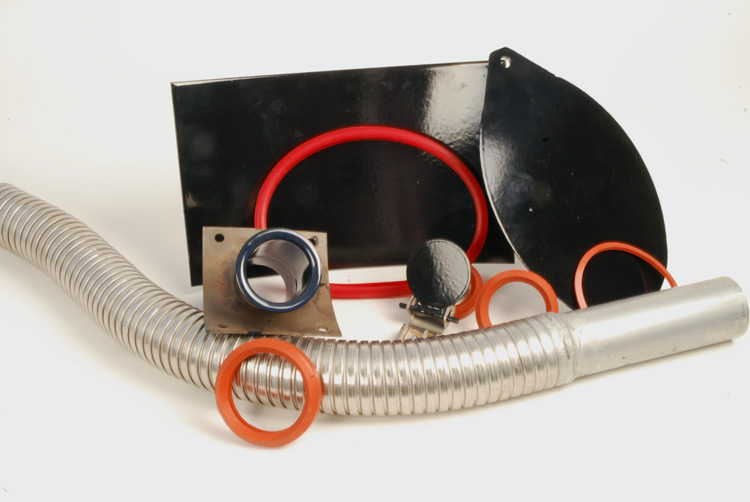
Stainless steel flex hose, abrasion-resistant coatings and high-temperature silicone gaskets and seals are available for special applications.

Summary

What conveying equipment is needed for abrasive, hot, or powdery materials?

Abrasive, very powdery, and hot materials above 250°F each need conveying equipment designed for them, and skipping that review can void a warranty. Abrasives call for stainless steel tubing and flex hose with abrasion-resistant elbows, hot materials need high-temperature silicone gaskets and seals, and powders need dedicated powder loaders and receivers, sometimes with extra filters.

Special applications that require attention include:

  • Abrasive Materials
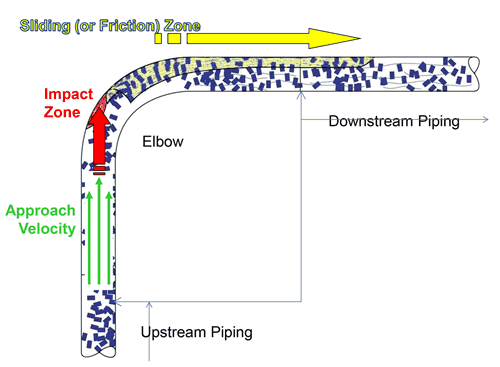
    Since the material is traveling at high velocities, you want to be sure to use stainless steel tubing and stainless steel flexible hose (instead of PVC flex hose) on lines handling those materials and you will most certainly need to use elbows made of abrasion resistant materials. There are also special coatings available for the interiors of vacuum receivers to minimize the effect of the abrasion.
  • Materials above 250° F.
    Some equipment manufacturers use neoprene or other materials in the construction of their equipment which will not serve you very well if you are transferring materials over 250° F. Be sure that your supplier is aware of any high-temperature materials that will come into contact with their equipment so they can offer hi-temp silicone gaskets and seals.
  • Very Powdery Materials
    Regular vacuum loaders and receivers are designed to transfer pellets and regrind. If your material is very dusty or if you are conveying powders with up to about 10% of titanium dioxide or carbon black, specially designed Powder Loaders and Powder Receivers are required. These units are designed to transfer those kinds of materials. Depending on conditions, use of these materials may also require additional filters at certain places. Note that if you are transferring powder with more than 10% TiO2 or carbon black, your supplier may have to run some tests to determine conveying feasibility.

Frequently Asked Questions

What conveying line material should be used for abrasive resins?

Because material travels through the line at high velocity, abrasive materials call for stainless steel tubing and stainless steel flexible hose instead of PVC flex hose, along with elbows made of abrasion-resistant materials. Special coatings are also available for the interiors of vacuum receivers to reduce the effect of abrasion.

Can standard conveying equipment handle resin above 250°F?

Not always. Some equipment is built with neoprene or similar materials that do not hold up when conveying material above 250°F. Tell your supplier about any high-temperature materials that will contact their equipment so they can supply high-temperature silicone gaskets and seals suited to the application.

Do powders with titanium dioxide or carbon black need special loaders?

Yes. Regular vacuum loaders and receivers are designed for pellets and regrind. Very dusty materials and powders with up to about 10% titanium dioxide or carbon black need specially designed powder loaders and receivers, and sometimes additional filters. Above 10%, your supplier may need to run tests to confirm conveying feasibility.

About the Authors

Greg Washburn, Novatec Vice President of Operations

Vice President of Operations, Novatec

Greg Washburn is Vice President of Operations at Novatec and has been with the company for more than three decades. He is involved in all phases of engineering design and product manufacturing, giving him a broad perspective on how resin drying and conveying equipment moves from engineering concept through production and into real-world processing environments. Greg holds a B.S. in Mechanical Engineering from the University of Maryland, Baltimore County (UMBC) and an MBA from Loyola University Maryland. His experience spans engineering, manufacturing and operations across Novatec’s material-handling technologies.

Joshua Belisle, Novatec Technology Manager

Technology Manager, Novatec

Joshua Belisle is Technology Manager at Novatec, where his work focuses on simulation and technology development for resin drying. He earned a B.S. in Mechanical Engineering with a minor in Engineering Business from the University of Virginia in 2023 and joined Novatec that same year. Joshua uses simulation tools to investigate previously difficult-to-measure aspects of the drying process, helping Novatec better understand airflow, heat transfer and other variables that influence resin-drying performance.

Related Articles

Review receiver components and selection for a central resin conveying system.

Explore specialized loader filters and blowback features for conveying dusty regrind and powders.

See how conveying line materials and abrasion-resistant bends can reduce wear from abrasive resins.

Ask the Expert

Greg Washburn, Conveying Product Engineering Manager, Novatec, Inc.

Submit A Question

Novatec, Inc.

410-789-4811 | 800-237-8379

http://www.novatec.com

Scroll to Top