

By Greg Washburn and Joshua Belisle · Edited by Dana Gardner
Published August 7, 2024 · Reviewed by Greg Washburn · August 20, 2026
Summary
How do I maintain a central resin conveying system?
Follow the manufacturer’s maintenance recommendations, keep the recommended spare parts on hand, and work to a regular schedule. The most common problems are avoided by cleaning loader and pump filters, emptying pump and cyclone catch pans, feeding clean dry compressed air to pneumatic components, keeping hose clamps tight, and replacing worn or holed flexible hose to prevent vacuum leaks.
A well-designed, properly installed resin conveying system is a real asset and will pay significant dividends. Following good maintenance practices will maximize performance and up time. Keep an inventory of the manufacturer’s recommended spare parts. Follow a regular maintenance schedule to ensure efficient performance of the individual components and high system efficiency will follow.
The obvious first rule is to follow the maintenance recommendations of the manufacturer but here are some general tips on maintaining system components.
If you want to avoid the most common problems you should do these five things regularly:
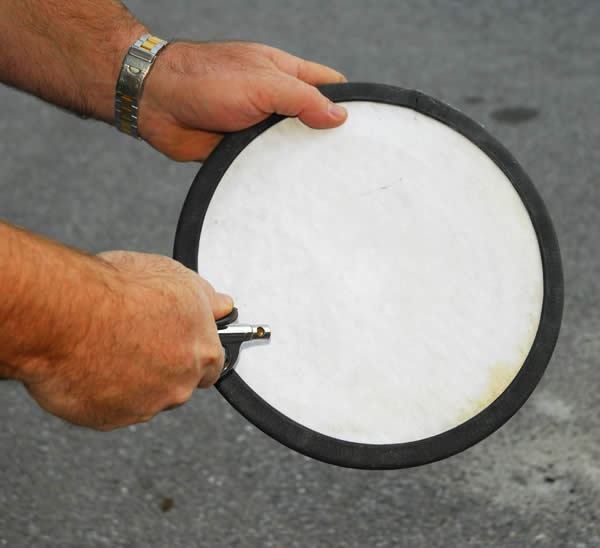
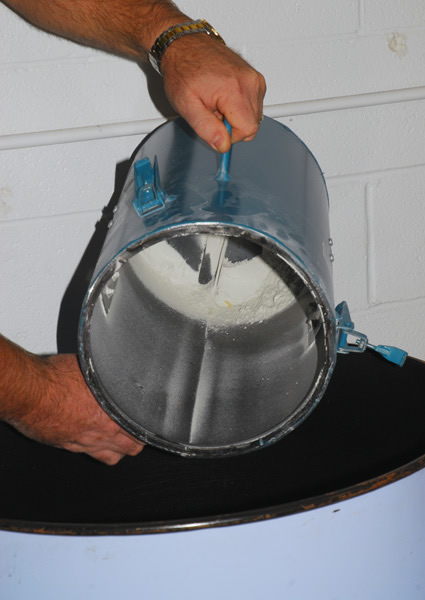
- Clean filters in loaders regularly.
- Clean pump filters and empty catch pans.
- Empty the catch pan under cyclone dust collectors regularly.
- Make sure that you are feeding clean dry compressed air to components like Vacuum Loaders, Station T’s, Proportioning Valves, Purge valves and anything else that depends on compressed air for smooth operation.
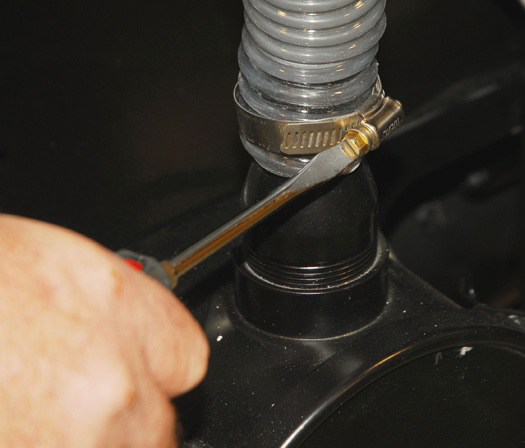
- Keep hose clamps tight to avoid vacuum leaks.
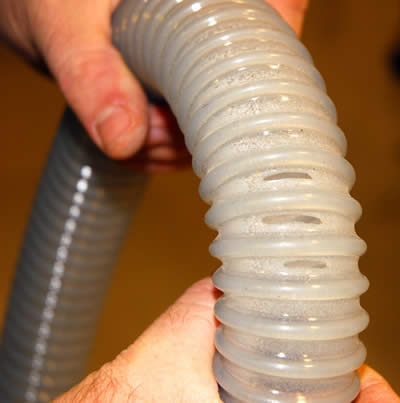
- Watch for wear spots and holes in flexible hose and replace to avoid vacuum leaks.
Here are some recommendations for specific pieces of equipment:
Vacuum Pumps
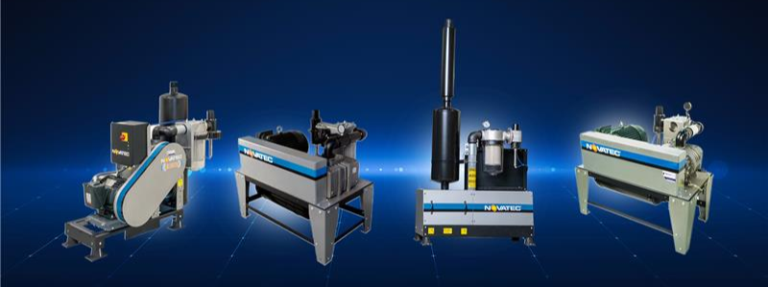
There are several types of vacuum pumps including regenerative blower pumps, positive displacement vacuum pumps and ultra high efficiency long-distance pumps.
The common maintenance procedures are:
- Make sure hose connections are tight
- Keep filters clean
- Check oil levels (if applicable) and top off as required
- Verify that the gauge on the vacuum pump is reading between 5 and 9 in. of Hg while the system is running.
Vacuum Receivers
- Clean filters regularly (if applicable)
- Ensure that there are no air leaks around hoses and gaskets
Station T Valves
- Keep hose connections tight
- Ensure that clean dry compressed air is being used(Install compressed air filters if necessary)
Proportioning Valves
- Keep hose connections tight
- Inspect gaskets for wear
- Ensure that clean dry compressed air is being used (Install compressed air filters if necessary)
Take-Off Boxes/Purge Valves
- Clean ambient air intake filters
- Ensure tight connections with no air leaks
- Keep material probes at least 50% open to ensure proper material flow
- Inspect gaskets where applicable
Hose and Tubing
- Inspect for air leaks and holes
- Make sure end caps are in place on any unused lines
Level Sensors
- Inspect and tighten to ensure proper placement
Cyclones
- Inspect and empty catch bins regularly

Frequently Asked Questions
What vacuum reading should a conveying pump show while running?
The gauge on the vacuum pump should read between 5 and 9 in. of Hg while the system is running. Other routine pump maintenance includes keeping hose connections tight, keeping filters clean, and checking oil levels where applicable and topping off as required.
Why does compressed air quality matter in a conveying system?
Station valves, proportioning valves, purge valves and some vacuum loaders rely on compressed air to operate smoothly. Feeding them clean, dry compressed air is one of the regular maintenance steps, and installing compressed air filters is recommended if the supply isn’t clean and dry.
How do I maintain take-off boxes and purge valves?
Clean the ambient air intake filters, keep connections tight with no air leaks, and inspect gaskets where applicable. Keep material probes at least 50% open to ensure proper material flow. For hose and tubing, inspect for leaks and holes and keep end caps on any unused lines.
About the Authors

Vice President of Operations, Novatec
Greg Washburn is Vice President of Operations at Novatec and has been with the company for more than three decades. He is involved in all phases of engineering design and product manufacturing, giving him a broad perspective on how resin drying and conveying equipment moves from engineering concept through production and into real-world processing environments. Greg holds a B.S. in Mechanical Engineering from the University of Maryland, Baltimore County (UMBC) and an MBA from Loyola University Maryland. His experience spans engineering, manufacturing and operations across Novatec’s material-handling technologies.

Technology Manager, Novatec
Joshua Belisle is Technology Manager at Novatec, where his work focuses on simulation and technology development for resin drying. He earned a B.S. in Mechanical Engineering with a minor in Engineering Business from the University of Virginia in 2023 and joined Novatec that same year. Joshua uses simulation tools to investigate previously difficult-to-measure aspects of the drying process, helping Novatec better understand airflow, heat transfer and other variables that influence resin-drying performance.
Related Articles

Review receiver features, filters and maintenance practices that keep resin conveying reliable.
Compare vacuum pump technologies, operating needs and maintenance demands for a plastics processing plant.
See how the take-off box purge valve uses vacuum-on time to clear material from conveying lines.
Ask the Expert
