When should I use dry air conveying instead of ambient air?
Use dry air conveying when the material is very sensitive to moisture pickup, such as nylon, PET or PC, especially when end-product specifications are critical. Ambient air conveying suits materials that do not readily pick up moisture. Dry air conveying works by closing the conveying loop to the take-off box below the drying hopper, and it should be used only where needed to save energy.
Decide whether “dry-air-conveying” is right for your processing needs. Vacuum conveying requires that air must enter the material conveying line at the material source so the vacuum can pull the material to its destination. That air can be either ambient air or dry air.
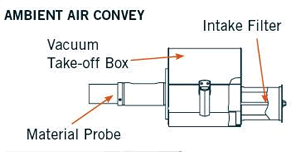
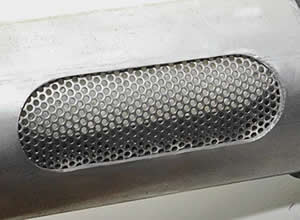
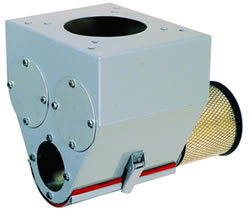
Ambient Air Conveying – is typically used when conveying materials that do not readily pick up moisture. In this case, the vacuum take-off box at the material source is fitted with a simple cartridge filter or a fine mesh screen through which ambient air is pulled into the material line. The filter or screen ensures that unwanted contaminates do not enter the material stream.
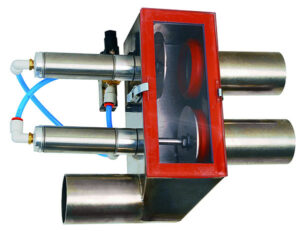
Dry Air Conveying – is recommended when the material being processed is very sensitive to moisture pickup, like nylon, PET, PC, etc. This often depends on how critical the specifications are for the end product. Dry air conveying is accomplished simply by closing the conveying loop to the take-off box below the drying hopper. For added dryness, re-circulate the dryer return air through the conveying loop.
TIP – To save energy, use dry air convey only where absolutely necessary.
Open valve on probe at least 50%. Higher air flow allows material to move more efficiently.
Frequently Asked Questions
How does dry air conveying work?
Vacuum conveying needs air to enter the material line at the source so the vacuum can pull material to its destination. For dry air conveying, the conveying loop is closed to the take-off box below the drying hopper, so dried air carries the material. For added dryness, the dryer return air can be recirculated through the conveying loop.
What filter does an ambient air take-off box need?
With ambient air conveying, the vacuum take-off box at the material source is fitted with a simple cartridge filter or a fine mesh screen. Ambient air is pulled through that filter or screen into the material line, and the filter or screen keeps unwanted contaminants from entering the material stream.
How far should the air valve on a take-off probe be opened?
Open the air valve on the take-off probe at least 50%. Higher airflow allows material to move through the conveying line more efficiently. Whether the line carries ambient air or dry air, the vacuum needs enough air entering at the material source to pull the material to its destination.
Greg Washburn is Vice President of Operations at Novatec and has been with the company for more than three decades. He is involved in all phases of engineering design and product manufacturing, giving him a broad perspective on how resin drying and conveying equipment moves from engineering concept through production and into real-world processing environments. Greg holds a B.S. in Mechanical Engineering from the University of Maryland, Baltimore County (UMBC) and an MBA from Loyola University Maryland. His experience spans engineering, manufacturing and operations across Novatec’s material-handling technologies.
Joshua Belisle is Technology Manager at Novatec, where his work focuses on simulation and technology development for resin drying. He earned a B.S. in Mechanical Engineering with a minor in Engineering Business from the University of Virginia in 2023 and joined Novatec that same year. Joshua uses simulation tools to investigate previously difficult-to-measure aspects of the drying process, helping Novatec better understand airflow, heat transfer and other variables that influence resin-drying performance.