Why invest in a central plastics conveying system?
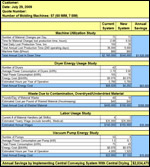
The reasons to invest in a plastics conveying system are economic. A system increases profits by reducing machine downtime, labor, material losses, energy, safety hazards, line plugs, maintenance, and rejected parts. It also helps meet customer demands for improved product and faster response, and it frees floor space for more processing machines, whether for expansion or plant consolidation.
There are only a few reasons to invest in a plastics conveying system and they are all related to economics.
You want to increase profits by reducing
Machine downtime
Labor costs
Material losses
Energy costs
Safety hazards
Line plugs
Maintenance
Rejected parts
Your customers are demanding improved product and response times.
You need space for more processing machines for expansion – or for plant consolidation.
You’ll be surprised at how fast you can accomplish these goals.
Frequently Asked Questions
What costs does a plastics conveying system reduce?
A conveying system is aimed at reducing machine downtime, labor costs, material losses, energy costs, safety hazards, line plugs, maintenance, and rejected parts. Each of these ties directly to profit, which is why the case for investing in conveying is made in economic terms.
Can a conveying system free up floor space?
Yes. One of the main reasons processors invest in a conveying system is to gain space for more processing machines, whether for expansion or for plant consolidation. A system also helps respond to customers who are demanding improved product and faster response times.
Greg Washburn is Vice President of Operations at Novatec and has been with the company for more than three decades. He is involved in all phases of engineering design and product manufacturing, giving him a broad perspective on how resin drying and conveying equipment moves from engineering concept through production and into real-world processing environments. Greg holds a B.S. in Mechanical Engineering from the University of Maryland, Baltimore County (UMBC) and an MBA from Loyola University Maryland. His experience spans engineering, manufacturing and operations across Novatec’s material-handling technologies.
Joshua Belisle is Technology Manager at Novatec, where his work focuses on simulation and technology development for resin drying. He earned a B.S. in Mechanical Engineering with a minor in Engineering Business from the University of Virginia in 2023 and joined Novatec that same year. Joshua uses simulation tools to investigate previously difficult-to-measure aspects of the drying process, helping Novatec better understand airflow, heat transfer and other variables that influence resin-drying performance.